
Kishore

Preconception Genetic Counseling at Mirror Gene Hyderabad

Preconception Genetic Counseling: Planning for a Healthy Future

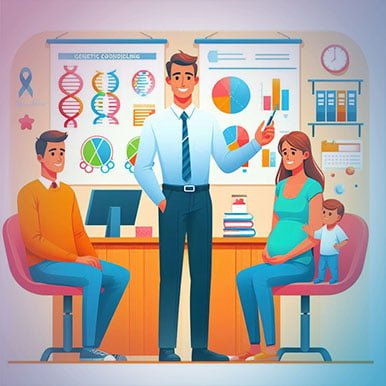
Preconception Genetic Counseling: Planning for a Healthy Future Introduction: Preconception genetic counseling is a vital step for couples planning to conceive. It helps identify potential genetic risks and guides to ensure a healthy pregnancy and future for their children. This proactive approach allows couples to make informed reproductive choices, addressing genetic concerns before conception. It is essential for those with a family history of genetic disorders.   The Counseling Process: Initial Consultation: Your genetic counselor collects a detailed family health history, focusing on any known genetic conditions or recurring health issues. You can read more about this in our previous blog post What you can expect during your first genetic counseling session. Genetic Testing: Your counselor may recommend various tests based on personal risk. For a deeper understanding of genetic inheritance and how these mutations can impact future generations, refer to our post Understanding Genetic Inheritance. Interpreting Results: Your genetic counselor will provide a detailed explanation of the test results, helping you understand genetic risks. Creating a Plan: Developing a customized reproductive plan along with a gynecologist to consider the couple’s genetic background and risk factors. For insights into how the genetic counseling process works and the importance of a tailored approach, check out our blog post Understanding the Genetic Counseling Process: A Comprehensive Guide. Importance of Preconception Counseling: Understanding genetic risks before conception is crucial for making informed reproductive choices. Preconception genetic counseling helps identify genetic conditions that could affect a future pregnancy, enabling prospective parents to plan accordingly.   Genetic Carrier Screening: Carrier screening is a key component of preconception genetic counseling. It helps identify carriers of recessive genetic conditions that could be passed on to their children. Common conditions in the Indian population include Beta-Thalassemia, spinal muscular atrophy (SMA), cystic fibrosis, and sickle cell anemia. Carrier screening is particularly important as marriage within similar communities is more prevalent in India. Identifying carriers can significantly reduce the incidence of these genetic disorders in the population.   Recessive Genetic Conditions: Understanding recessive genetic conditions is essential in preconception counseling. A child can inherit a recessive condition when both parents are carriers of a mutated gene. If both parents are carriers, there is a 25% chance that the child will be affected, a 50% chance the child will be a carrier, and a 25% chance the child will not be affected or a carrier. You can read more about this in our previous blog post Understanding Genetic Inheritance.   Impact on Family Planning: Preconception counseling provides information for family planning. The couple can learn about their genetic risks and explore options such as in vitro fertilization (IVF) with preimplantation genetic testing (PGT) to avoid passing on genetic conditions in required scenarios. This knowledge allows the couple to make informed decisions about starting a family. Additionally, being informed about genetic risks can alleviate anxiety and provide peace of mind.   Benefits of Preconception Counseling: Informed Decisions:Understanding genetic influences on fertility and pregnancy enables couples to make well-informed reproductive choices. Personalized Care:Tailored treatment and care plans are developed based on the couple’s specific genetic background and needs. Risk Assessment:Comprehensive evaluation of genetic risks helps in planning for a healthy pregnancy. Preventive Health: Early identification of genetic risks allows for preventive measures to be taken, potentially reducing the risk of genetic disorders in offspring. Emotional Support:Genetic counseling provides emotional support, helping couples cope with the anxiety and stress associated with genetic risks. Conclusion: Preconception genetic counseling is a crucial step for couples planning a healthy future for their children. It offers insights into genetic risks, personalized reproductive plans, and emotional support, ensuring a well-informed and prepared approach to conception and pregnancy. To explore how genetic counseling can support your journey towards parenthood, book an appointment with us today. Empowering Genetics, Enriching Lives Book Appointment & Take Control Of Your Genetic Health Today Book Consultation

Preconception Genetic Counseling: Planning for a Healthy Future Read More »

Genetic Counseling for Infertility at Mirror Gene

The Role of Genetic Counseling in Infertility: What You Need to Know

The Role of Genetic Counseling in Infertility: What You Need to Know Introduction: Infertility affects many couples and can be emotionally challenging. Genetic counseling offers valuable support and information to help navigate this difficult journey by identifying genetic factors that may contribute to infertility and offering a comprehensive approach to diagnosis and treatment planning.   Understanding Infertility: Infertility is defined as the inability to conceive after one year of unprotected intercourse. It can have various causes, including hormonal imbalances, structural issues, and genetic abnormalities. Understanding these causes can provide insights into potential treatments and outcomes.   Why Genetic Counseling Matters: Genetic counseling is crucial for those facing infertility because it helps identify underlying genetic issues that may contribute to the condition. This information can be essential for developing effective treatment plans and understanding the likelihood of passing on genetic conditions to future children.   The Genetic Counseling Process for Infertility: Initial Consultation: Family History: The counselor will collect detailed information about your family’s health history, focusing on any patterns of infertility or genetic disorders. Medical Records: Previous medical records, including fertility treatments and genetic tests, will be reviewed to understand your fertility journey better.  Genetic Testing: Types of Tests: Genetic tests may include karyotyping, which examines chromosomes for abnormalities, and DNA sequencing, which looks for specific genetic mutations. Test Recommendations: The counselor will recommend appropriate tests based on your history and current situation. Interpreting Results: Understanding Findings: The counselor will explain the genetic test results in detail, helping you understand their implications for your fertility and overall health. Assessing Risks: The results will help evaluate the risk of genetic disorders in future pregnancies and provide insights into potential fertility treatments. Creating a Plan: Personalized Plan: Based on the genetic results, a customized treatment plan will be developed, which may include assisted reproductive technologies (ART) like IVF, preimplantation genetic diagnosis (PGD), or other interventions. Follow-Up: Ongoing support and follow-up appointments will be scheduled to monitor progress and address new concerns. You can learn more about the genetic counseling process in our previous blog post here. Male and Female Infertility: Male Infertility: Genetic counseling can identify genetic conditions affecting sperm production and function. Tests may include Y chromosome microdeletions and cystic fibrosis transmembrane conductance regulator (CFTR) gene mutations. Female Infertility: Genetic factors may affect ovarian function, egg quality, and other reproductive aspects. Testing can include karyotyping to identify chromosomal abnormalities and screening for genetic disorders like Fragile X syndrome.   Benefits of Genetic Counseling for Infertility: Personalized Care: Treatment plans are tailored to your specific genetic makeup and fertility issues, ensuring you receive the most appropriate and effective care. Informed Decisions: Gain a better understanding of the genetic factors influencing your infertility, enabling you to make informed decisions about your reproductive options. Comprehensive Risk Assessment: Genetic counseling provides a thorough risk assessment for potential genetic disorders, offering you a clearer picture of your reproductive health. Improved Treatment Outcomes: By identifying genetic issues early, you can explore targeted treatments that may improve your chances of conception and a healthy pregnancy. Emotional Support: Counseling provides emotional support, helping you cope with the stress and emotional challenges of infertility. It offers a compassionate space to discuss concerns and anxieties. Future Planning: Understanding your genetic risks helps in planning for future pregnancies, whether through natural conception or assisted reproductive technologies. Preventive Measures: Identifying genetic risks allows you to take preventive measures to reduce the likelihood of passing on genetic conditions to your children.   Conclusion: Genetic counseling plays a crucial role in addressing infertility by providing detailed insights and personalized care plans, helping couples make informed decisions, and improving their chances of successful treatment. To explore how genetic counseling can support your journey towards parenthood, book an appointment with us today. Empowering Genetics, Enriching Lives Book Appointment & Take Control Of Your Genetic Health Today Book Consultation

The Role of Genetic Counseling in Infertility: What You Need to Know Read More »

What to Expect in Your First Genetic Counseling Session

What to Expect in Your First Genetic Counselling Session

What to Expect in Your First Genetic Counseling Session Introduction: Attending a genetic Counseling session can be overwhelming. Knowing what to expect can ease your mind. Genetic Counseling offers insights into your genetic health, potential risks, and how to manage them.   Why Genetic Counseling Matters: Genetic Counseling is vital for those with a family history of genetic disorders, those planning a family, or anyone curious about their genetic health. It helps you understand your genetic makeup, identify health risks, and find effective strategies to manage them. For more on the genetic Counseling process, refer to our previous post: Understanding the Genetic Counseling Process: A Comprehensive Guide.   Preparing for Your Session: Gather Family Health Information: Collect detailed family health history, including known genetic disorders, chronic illnesses, and causes of death among relatives. Bring Medical Records: Include any previous medical records or those related to genetic testing. Write Down Questions: Note any questions or concerns about your genetic health. Your Session: What to Expect: Discussing Your Family History: An in-depth discussion about your family’s health history will focus on relatives’ health conditions and any patterns suggesting genetic conditions. Creating a Genetic Profile: Your counselor will use your family history to create a genetic profile, identifying areas of concern needing further investigation. Learning About Genetics: Basic genetic concepts will be explained, including how genes are inherited, types of genetic mutations, and the role of genetic tests. For a deeper understanding of genetic inheritance, read our post: Understanding Genetic Inheritance. Discussing Genetic Testing: If recommended, your counselor will discuss the types of tests, their purposes, and procedures, including: Blood or saliva samples for DNA analysis. Pre-test Counseling to understand benefits, limitations, and outcomes. Consent forms for testing procedures. Interpreting Test Results: Once results are available, your counselor will help you understand their meaning for you and your family, assessing risk levels and discussing the next steps, such as further testing, preventive measures, or lifestyle changes. Confidentiality Assurance: All shared information during your session will be kept confidential, ensuring privacy.   Personalized Plan: Your genetic counselor will create a personalized plan tailored to your specific needs and genetic risks.   Ongoing Support and Resources: Genetic Counseling provides emotional support and connects you with resources and support groups, including: Emotional Support: Helping you cope with anxiety or stress related to the findings. Referrals: To specialists or support groups for additional help. Follow-Up Appointments: Monitoring progress and addressing new concerns.   Conclusion: The first genetic Counseling session combines scientific knowledge with compassionate care, equipping you with the information needed to make informed health decisions. Contact Information: For any questions or to schedule a session, contact us here. To begin your Genetic Counseling journey, you can book your appointment here.                             Empowering Genetics, Enriching Lives Book Appointment & Take Control Of Your Genetic Health Today Book Consultation

What to Expect in Your First Genetic Counselling Session Read More »

Genetic Inheritance Patterns Mirror Gene Blog

Understanding Genetic Inheritance

Understanding Genetic Inheritance Genetics can often seem complex due to the various inheritance patterns that genetic traits and disorders can follow. This section provides easy-to-understand information about different types of genetic inheritance, including:     Autosomal Dominant Autosomal dominant inheritance refers to conditions that occur due to changes in one copy of a gene. This type of inheritance pattern can cause the associated conditions in any individual who inherits the altered gene. Given its dominant nature, the presence of one altered gene is adequate to express the condition. Autosomal Recessive Autosomal recessive inheritance occurs when both copies of a gene in an individual have changes. The conditions are not typically seen in parents but can occur in their offspring if both parents pass on the altered gene. Since carriers of one altered gene usually do not show symptoms, the condition may not be evident until two carriers have children together. X-Linked (Dominant And Recessive) X-linked inheritance involves genes on the X chromosome. In X-linked dominant inheritance, a change in a gene on the X chromosome can cause associated conditions. In X-linked recessive inheritance, conditions are seen in individuals with two altered copies of the gene. Y-Linked Y-linked inheritance involves genes found on the Y chromosome. This type of inheritance pattern can cause the associated conditions in any individual who inherits the altered gene. Mitochondrial Inheritance Mitochondrial inheritance applies to genes in mitochondrial DNA. Conditions associated with changes in mitochondrial DNA can occur in any individual who inherits the altered mitochondrial DNA. Empowering Genetics, Enriching Lives Book Appointment & Take Control Of Your Genetic Health Today Book Consultation

Understanding Genetic Inheritance Read More »

Genetic Counseling Process Blog Mirror Gene

Understanding the Genetic Counseling Process: A Comprehensive Guide

Understanding the Genetic Counseling Process: A Comprehensive Guide https://youtu.be/LbE5yZN5fKk Genetic counseling is a pivotal aspect of modern healthcare, offering individuals and families insight into their genetic makeup, potential health risks, and strategies to manage or mitigate those risks. This process is crucial for those with a family history of genetic disorders, couples planning a family, and anyone concerned about their genetic predispositions. Here, let’s explore the comprehensive process of genetic counseling   Initial Assessment: Mapping Your Genetic Medical and Family History We start by talking about your family’s health history it is like putting together a family tree. This involves gathering and analyzing detailed family and medical histories. During this step, the genetic counselor will ask you to provide comprehensive information about your relatives, including any known genetic disorders, chronic illnesses, and causes of death. This detailed history helps to identify patterns that might indicate hereditary conditions.     By examining your family’s medical background, the genetic counselor can create a genetic profile, pinpointing specific areas of concern that might require further investigation. This stage is crucial for understanding your genetic makeup and identifying potential genetic risks.   Educational Foundations: Understanding Genetics Next, the focus shifts to education. The genetic counselor will explain genetic principles, inheritance patterns, and the meaning behind the genetic tests. This educational component is important as it helps you understand the scientific basis of genetics and how it applies to your situation.     You’ll learn about how genes are passed down through generations, what specific genetic mutations might mean for you, and the implications of different types of genetic tests. This knowledge helps you to make informed decisions about your health and any potential risks.   Personalized Testing: Finding the Right Genetic Tests Once you’re understand the basics, your genetic counselor will offer genetic tests based on your personal risk profile. This step involves collecting your blood sample, which are then tested in a lab to identify any genetic abnormalities.     The decision to undergo genetic testing is made by you, considering the potential benefits and limitations. Genetic testing can reveal mutations, chromosomal abnormalities, and other genetic variations that may predispose you to certain conditions. Result Interpretation: Making Sense of Your Genetic Test Results Interpreting genetic test results is a complex process. Once the results are available, your genetic counselor will decipher these test results and explain what they mean for you and your family. This involves assessing the risk associated with any identified genetic abnormalities, taking into account your family history, lifestyle, and environmental factors.             The genetic counselor will translate the technical jargon of genetic test reports into clear, understandable language. You’ll understand the likelihood of developing certain conditions, the potential impact on family members, and possible preventive measures. This stage is about providing a balanced perspective, helping you grasp your genetic risks without causing unnecessary alarm.   Support: Providing Continuous Support and Resources The next stage of the genetic counseling process is offering empathetic guidance and connecting you with resources and support networks. Receiving genetic information can be emotionally challenging, and it’s crucial to have support during this time. Your genetic counselor will provide you emotional support, helping you cope with any anxiety, uncertainty, or psychological impact of your genetic findings.     You’ll be connected with resources and support networks, ensuring you have access to the necessary tools and communities to navigate your genetic journey. Follow-up appointments are scheduled to monitor your progress and address any new concerns, making genetic counseling an ongoing, supportive relationship.     Understanding the Genetic Counseling Process: A Comprehensive Guide Genetic counseling is a pivotal aspect of modern healthcare, offering individuals and families insight into their genetic makeup, potential health risks, and strategies to manage or mitigate those risks. This process is crucial for those with a family history of genetic disorders, couples planning a family, and anyone concerned about their genetic predispositions. Here, let’s explore the comprehensive process of genetic counseling.             https://youtu.be/LbE5yZN5fKk Initial Assessment: Mapping Your Genetic Medical and Family History: We start by talking about your family’s health history it is like putting together a family tree. This involves gathering and analyzing detailed family and medical histories. During this step, the genetic counselor will ask you to provide comprehensive information about your relatives, including any known genetic disorders, chronic illnesses, and causes of death. This detailed history helps to identify patterns that might indicate hereditary conditions.     By examining your family’s medical background, the genetic counselor can create a genetic profile, pinpointing specific areas of concern that might require further investigation. This stage is crucial for understanding your genetic makeup and identifying potential genetic risks.   Educational Foundations: Understanding Genetics: Next, the focus shifts to education. The genetic counselor will explain genetic principles, inheritance patterns, and the meaning behind the genetic tests. This educational component is important as it helps you understand the scientific basis of genetics and how it applies to your situation.        You’ll learn about how genes are passed down through generations, what specific genetic mutations might mean for you, and the implications of different types of genetic tests. This knowledge helps you to make informed decisions about your health and any potential risks. Personalized Testing: Finding the Right Genetic Tests: Once you’re understand the basics, your genetic counselor will offer genetic tests based on your personal risk profile. This step involves collecting your blood sample, which are then tested in a lab to identify any genetic abnormalities.             The decision to undergo genetic testing is made by you, considering the potential benefits and limitations. Genetic testing can reveal mutations, chromosomal abnormalities, and other genetic variations that may predispose you to certain conditions. Result Interpretation: Making Sense of Your Genetic Test Results: Interpreting genetic test results is a complex process. Once the results are available, your genetic counselor will decipher these test results and explain what they mean for you and your family. This involves assessing the risk associated with any identified genetic abnormalities, taking into

Understanding the Genetic Counseling Process: A Comprehensive Guide Read More »