Blog

Your blog category

Understanding Copy Number Variations (CNVs) blog.

Understanding Copy Number Variations (CNVs): What They Mean for You and Your Family?

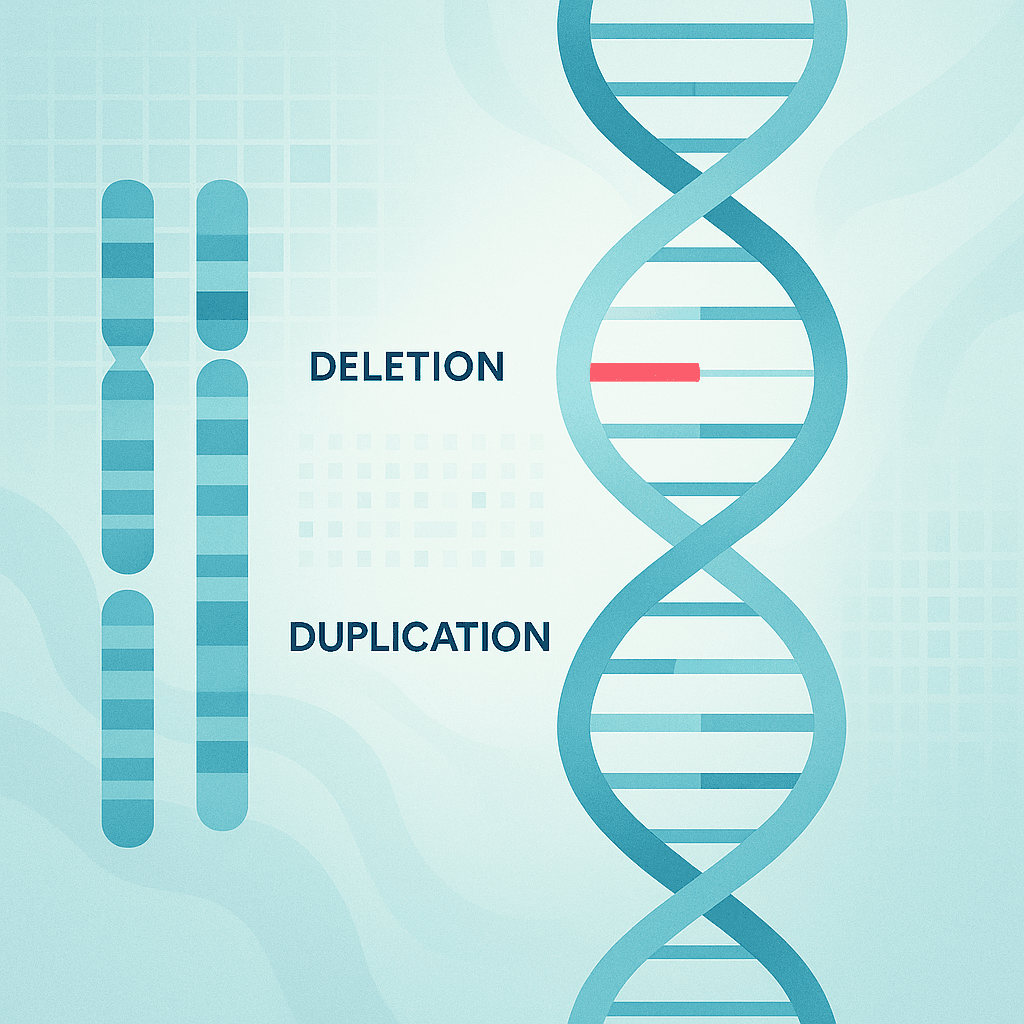
Understanding Copy Number Variations (CNVs): What They Mean for You and Your Family? Introduction Everyone’s DNA carries millions of building blocks that make them unique. But sometimes, small changes in our genetic material, such as missing (deletions) or extra pieces (duplications), can influence how our body develops or functions. These changes are known as Copy Number Variations (CNVs). CNVs are the most common types of genetic variations in humans. While some are harmless, some can contribute to developmental delays, congenital anomalies, or neurological conditions. Understanding CNVs is essential, not only for diagnosis but also for helping families make informed decisions about their health and future. What Are Copy Number Variations (CNVs)? CNVs are segments of DNA that are duplicated (extra copies) or deleted (missing copies) compared to normal population. These changes can range in size and may affect one or multiple genes. Some CNVs are inherited from parents, while others occur spontaneously (de novo) during the formation of egg or sperm cells. Did you know? CNVs account for approximately 12% of the human genome, far more than single nucleotide variants (SNVs). How CNVs Affect Health? Most CNVs do not cause any health issues. However, some can alter gene dosage, disrupt gene regulation, or change how genes interact. Depending on which genes are affected, CNVs may lead to: Neurodevelopmental disorders such as autism spectrum disorder (ASD), intellectual disability, or developmental disorders. Congenital anomalies, including heart defects or facial malformations. Reproductive challenges, including recurrent pregnancy loss or abnormal prenatal screening results. The same CNV can have different effects in different people, even within the same family, a concept known as variable expressivity. How CNVs Are Detected? Modern genetic testing technologies have revolutionized CNV detection: Chromosomal Microarray Analysis (CMA): The first-line test for unexplained developmental delay, congenital anomalies, or autism. Whole Exome Sequencing (WES) and Whole Genome Sequencing (WGS): These methods detect CNVs alongside smaller gene mutations, providing a comprehensive view of the genome. Prenatal Genetic Testing: CNVs can also be detected during pregnancy through invasive procedures like chorionic villus sampling (CVS) or amniocentesis, followed by microarray analysis. Interpreting CNV Results: The Role of Genetic Counseling When a CNV is identified, the result isn’t always straightforward. Not all CNVs are harmful, and sometimes their significance remains uncertain. This is where genetic counseling becomes vital. Your genetic counselor helps you understand: Whether the CNV is pathogenic (disease-causing), benign, or of uncertain significance (VUS). The inheritance pattern, whether it’s new (de novo) or inherited from a parent. The implications for your health, your child’s health, or future pregnancies. Available options for testing family members and reproductive planning. Counselors also provide emotional and psychological support, helping families navigate uncertainty and make informed decisions based on medical evidence and personal values. Did you know? Chromosomal microarray testing has increased the diagnostic yield for unexplained developmental disorders by 15–20%, significantly improving outcomes for families seeking answers. CNVs in Prenatal and Reproductive Contexts In prenatal settings, CNVs can explain abnormal ultrasound findings or atypical results from non-invasive prenatalscreening (NIPS). Pathogenic CNVs may indicate a high risk for structural or developmental disorders. Benign CNVs usually require no intervention. Variants of uncertain significance (VUS) are handled carefully, often requiring follow-up testing and genetic counseling to avoid unnecessary anxiety. Couples identified as carriers of CNVs can benefit from preconception or prenatal counseling to assess reproductive risks and explore options like preimplantation genetic testing (PGT) during IVF. Living with a CNV Diagnosis Copy Number Variations represent one of the most important frontiers in genetics today. With advances in testing, families can now uncover the underlying causes of complex conditions once considered “undiagnosable.” Conclusion Genetic counseling illuminates the path through reproductive challenges, transforming uncertainty into informed action. By identifying genetic contributors, guiding targeted testing, and supporting emotional needs, counselors empower couples to make confident decisions. If you or your child has been recommended for genetic testing or have questions about CNVs, genetic counseling can guide you through the process, helping you interpret results, understand implications, and plan ahead with confidence. Schedule a consultation with our Genetic Counselor, Kishore Sai, to receive personalized, ethically grounded guidance. You can book an appointment here. Your DNA may hold the key to clarity, and knowing what it says is the first step toward making informed choices. Explore more on ethical and clinical aspects of genetic counseling at Mirror Gene Blog. Empowering Genetics, Enriching Lives Book Appointment & Take Control Of Your Genetic Health Today Book Consultation

Understanding Copy Number Variations (CNVs): What They Mean for You and Your Family? Read More »
Blog post about The Value of Genetic Counseling in Reproductive Challenges Understanding Risk and Finding Clarity

The Value of Genetic Counseling in Reproductive Challenges Understanding Risk and Finding Clarity

The Value of Genetic Counseling in Reproductive Challenges Understanding Risk and Finding Clarity Introduction Reproductive challenges, such as recurrent pregnancy loss (RPL), unexplained infertility, or repeated in vitro fertilization (IVF) failures, are emotionally taxing and medically complex. While many factors contribute, genetics often plays an under-recognized role. Genetic counseling provides clarity by identifying inherited or chromosomal causes, guiding appropriate testing, and offering emotional support. By understanding genetic influences early, couples can make informed decisions and explore targeted interventions. Common Genetic Factors in Reproductive Challenges Genetic factors contribute significantly to RPL, infertility, and embryonic development issues. Identifying these factors can transform uncertainty into actionable plans. a) Recurrent Pregnancy Loss (RPL) Parental Chromosomal Rearrangements:Balanced translocations or inversions in one parent can lead to unbalanced embryos, causing miscarriage despite parents being healthy carriers [1]. Embryonic Aneuploidy:Nearly 50% of early miscarriages result from random chromosomal abnormalities in the embryo, often influenced by maternal age and oocyte quality [2]. Inherited Thrombophilias:Mutations such as Factor V Leiden, prothrombin G20210A, and MTHFR genetic changes can impair placental blood flow, increasing miscarriage risk [3]. Single-Gene Disorders:In consanguineous couples or families with a history of rare disorders, autosomal recessive conditions (e.g., metabolic syndromes) may lead to recurrent fetal loss. b) Infertility Male Factors: Y-Chromosome Microdeletions (AZF Regions): Account for ~10–15% of nonobstructive azoospermia cases, leading to low sperm count and infertility [4]. Klinefelter Syndrome (47,XXY): The most common sex chromosome disorder; often associated with small testes and impaired spermatogenesis [5]. Female Factors: Turner Syndrome (45,X or Mosaic): Frequently results in premature ovarian insufficiency (POI) and infertility. Fragile X Premutation (FMR1): Premutation carriers face elevated risk of POI and may pass on full mutation to offspring [6] c) IVF Failure or Embryo Quality Issues Embryonic Aneuploidy:A leading cause of failed implantation and miscarriage; aneuploid embryos increase with maternal age [2]. Mitochondrial Disorders:Rarely, mitochondrial dysfunction can impair embryo energy metabolism, reducing developmental potential. Imprinting Disorders:Abnormal DNA methylation (e.g., Prader–Willi, Angelman syndromes) may arise in ART-conceived embryos and contribute to developmental issues [7]. Did you know? Up to 60% of couples with unexplained RPL have an underlying genetic factor that can be identified through karyotyping and thrombophilia panels. When to Consider Genetic Counseling Seek a genetic consultation if you experience: Two or more consecutive pregnancy losses [8] Multiple unsuccessful IVF cycles [9] Family history of genetic or chromosomal disorders Abnormal karyotype results in prior fetus or products of conception Early referral ensures timely testing and reduces further emotional distress. The Role of Genetic Counseling Genetic counselors guide couples through this challenging journey by: Comprehensive Family & Reproductive History:Constructing a three-generation pedigree to pinpoint inheritance patterns and at‑risk relatives. Test Selection & Guidance: Karyotyping for both partners to detect balanced rearrangements [1]. Thrombophilia Panels for inherited clotting disorders [3]. Y‑Microdeletion & Fragile X Screening as indicated [4][6]. Preimplantation Genetic Testing (PGT): Selecting chromosomally normal embryos in IVF [10]. Interpreting Results & Emotional Support:Explaining pathogenic, benign, or uncertain findings and addressing anxiety or grief. Family Communication Strategies:Assisting with disclosure to at‑risk relatives while respecting patient privacy. For more on the counseling process, see our detailed guide: Understanding the Genetic Counseling Process: A Comprehensive Guide Reproductive Options and Next Steps Based on genetic findings, couples may consider: IVF with PGT-M/A: Ensuring embryos free of specific genetic mutations (PGT-M) or aneuploidy (PGT-A) [10]. Donor Gametes or Embryos: When risk remains high and alternative biological options are preferred. Prenatal Diagnostic Testing: CVS or amniocentesis to confirm fetal health in natural conception. Adoption or Child‑Free Living: Respecting personal values and emotional readiness. Genetic counseling prior to conception maximizes time for decision-making and emotional preparation. Emotional and Psychological Impact Reproductive challenges carry significant emotional weight: Grief & Loss: Recurring miscarriages can lead to profound grief; counselors provide coping resources and support networks. Anxiety & Uncertainty: Waiting for test results or navigating ambiguous outcomes (VUS) can heighten stress; ongoing counseling helps manage these feelings. Family Dynamics: Guilt or blame may arise; counselors foster open communication and mutual support. Did you know? Studies show that couples who engage in genetic counseling before IVF report lower anxiety and higher satisfaction with their reproductive plan outcomes [11]. Conclusion Genetic counseling illuminates the path through reproductive challenges, transforming uncertainty into informed action. By identifying genetic contributors, guiding targeted testing, and supporting emotional needs, counselors empower couples to make confident decisions. If you are facing recurrent pregnancy loss, IVF failures, or unexplained infertility, schedule a consultation with our Genetic Counselor, Kishore Sai, to receive personalized, ethically grounded guidance. You can book an appointment here. References Jacobs, P. A., et al. (1992). Parental chromosomal aberrations and recurrent miscarriage. Lancet, 339(8782), 99–101. Carp, H. J. A. (2011). The epidemiology and etiology of second trimester miscarriage. Clinical Obstetrics and Gynecology, 54(2), 200–207. Dutta, D., et al. (2017). Inherited thrombophilia and spontaneous miscarriage—a systematic review and meta-analysis. American Journal of Hematology, 92(8), 842–847. Krausz, C., & Riera-Escamilla, A. (2018). Genetics of male infertility. Human Genetics, 137(1), 107–113. Bojesen, A., & Gravholt, C. H. (2011). Klinefelter syndrome in clinical practice. Nature Clinical Practice Endocrinology & Metabolism, 7(10), 643–656. Visootsak, J., & Graham, J. M. Jr. (2009). Social and emotional development in fragile × syndrome. Psychiatric Clinics of North America, 32(3), 611–627. DeBaun, M. R., & Niemitz, E. L. (2006). Epigenetics and assisted reproductive technology: cause for concern. Current Opinion in Genetics & Development, 16(3), 255–259. Practice Committee of the American Society for Reproductive Medicine. (2013). Definitions of infertility and recurrent pregnancy loss: a committee opinion. Fertility and Sterility, 99(1), 63. Harper, J. C., et al. (2010). Preimplantation genetic diagnosis: state of the art. Human Reproduction Update, 16(5), 415–429. McQueen, D. D., & Cupples, D. (2013). Genetic evaluation of couples with infertility and pregnancy loss. Fertility and Sterility, 100(1), 18–24. Armour, C. L., et al. (2015). Psychological impact of genetic counseling on infertile couples. Human Reproduction, 30(12), 2864–2871. Explore more on ethical and clinical aspects of genetic counseling at Mirror Gene Blog. Empowering Genetics, Enriching Lives Book Appointment & Take Control Of Your Genetic Health Today Book Consultation

The Value of Genetic Counseling in Reproductive Challenges Understanding Risk and Finding Clarity Read More »

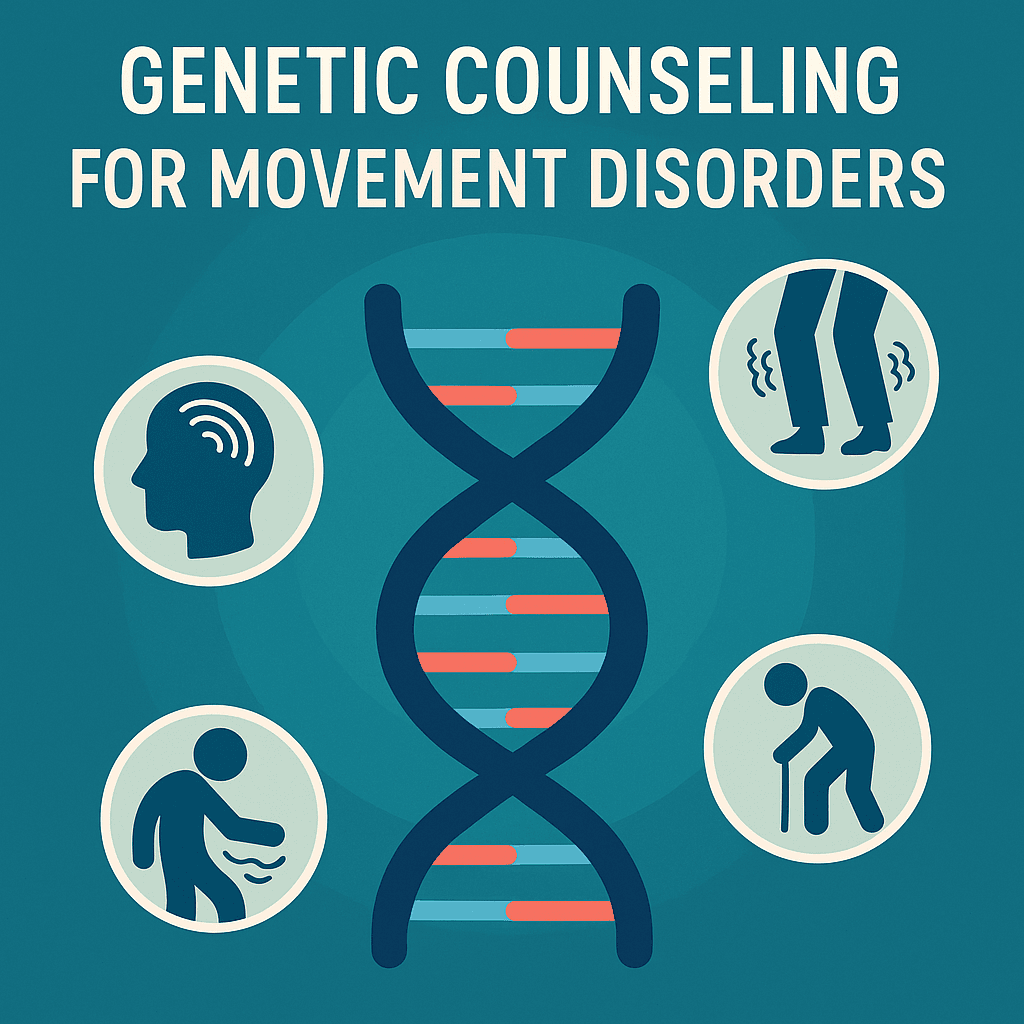
Genetic Counseling for Movement Disorders by Kishore sai, genetic counselor in Hyderabad

Genetic Counseling for Movement Disorders: Understanding Risk and Navigating Options

Genetic Counseling for Movement Disorders: Understanding Risk and Navigating Options Introduction Movement disorders encompass a variety of neurological conditions characterized by abnormal voluntary or involuntary movements, including Parkinsonism, dystonia, ataxia, and chorea. While many cases arise sporadically or from environmental factors, a significant subset has a genetic basis. Early recognition and genetic counseling can clarify diagnosis, guide management, and inform family planning. Genetic Causes of Movement Disorders Parkinson’s Disease Inheritance: Approximately 15–20% of early‑onset Parkinson’s cases have an identifiable genetic mutation [1]. Key Genes: LRRK2: Mutations often autosomal dominant with incomplete penetrance. PARK2 (parkin): Autosomal recessive juvenile Parkinsonism. GBA: Heterozygous variants increase risk and can modify disease course [2]. Dystonia DYT1 (TOR1A): Classic early‑onset torsion dystonia, autosomal dominant with ~30% penetrance [3]. THAP1: Associated with adult‑onset primary dystonia. Did you know? Primary dystonias affect about 1 in 2,500 individuals, and genetic forms often present in childhood or early adulthood. Huntington’s Disease Inheritance: Autosomal dominant CAG repeat expansion in the HTT gene. Phenotype: Progressive chorea, cognitive decline, psychiatric features. Predictive Testing: Available for at‑risk adults; requires extensive pre‑ and post‑test counseling [4]. Spinocerebellar Ataxias (SCAs) Mechanism: Multiple subtypes (e.g., SCA1, SCA3) caused by repeat expansions or point mutations. Inheritance: Mostly autosomal dominant. Testing: Repeat‑expansion assays provide definitive diagnosis [5]. Wilson Disease Gene: ATP7B, autosomal recessive copper‑transport defect. Relevance: Treatable if diagnosed early; genetic testing confirms carrier and affected status [6]. Read more about Wilson disease in our previous blog post. When to Consider Genetic Counseling Early Onset: Symptoms before age 50, or juvenile presentation in Parkinsonism or dystonia. Family History: Multiple affected relatives or known genetic diagnosis. Atypical Features: Rapid progression, poor response to standard therapy, or additional neurological signs. Reproductive Planning: Conditions like Huntington’s where future generations face 50% risk per pregnancy [4]. The Role of Genetic Counseling Comprehensive Family History: A three‑generation pedigree identifies inheritance patterns and informs test selection. Risk Assessment: Counselors explain autosomal dominant, recessive, or X‑linked risks in patient‑friendly terms. Pre‑Test Counseling: Clarifies the scope of testing, what it can detect, limitations, and possible outcomes (including VUS) [7]. Post‑Test Support: Interpreting results, discussing implications of pathogenic, benign, or uncertain variants, and guiding next steps. Family Communication: Strategies for sharing results with at‑risk relatives, respecting patient autonomy. For more on the genetic counseling process, see Understanding the Genetic Counseling Process: A Comprehensive Guide. Genetic Testing in Movement Disorders Panel Testing: Multi‑gene panels target known movement‑disorder genes, offering efficient, cost‑effective analysis [8]. Whole Exome Sequencing (WES): Broad approach when phenotype overlaps multiple conditions; yields diagnoses in ~30% of undiagnosed neurologic cases [9]. Repeat‑Expansion Testing: Essential for Huntington’s and SCAs; uses PCR or Southern blot methods. Predictive vs. Diagnostic Testing: Predictive for asymptomatic at‑risk adults (e.g., HD), diagnostic for symptomatic individuals. Selecting the right test for you is a very crucial aspect, and your genetic counselor will help you understand the available options for you to make an informed decision. Emotional and Ethical Considerations Anxiety & Uncertainty: Awaiting results or dealing with VUS can be distressing; counselors provide coping strategies and referrals to support groups. Guilt & Family Dynamics: Patients may feel guilt over passing mutations; counseling fosters open communication and family support. Autonomy & Consent: Especially vital in predictive testing, patients decide if and when to learn their status, with no pressure. Did you know? Predictive testing for Huntington’s requires mandatory psychological evaluation in many protocols to ensure patient readiness [4]. Conclusion Genetic counseling for movement disorders bridges cutting‑edge science and patient‑centered care. By elucidating genetic risks, guiding appropriate testing, and supporting emotional needs, counselors empower individuals to navigate diagnosis and family planning with confidence. If you or a loved one is affected by a movement disorder and seek clarity on genetic risks, schedule a consultation with our Genetic Counselor, Kishore Sai, to receive personalized, ethically grounded guidance. You can book an appointment here. References Klein, C., & Westenberger, A. (2012). Genetics of Parkinson’s disease. Cold Spring Harbor Perspectives in Medicine, 2(1), a008888. Sidransky, E., et al. (2009). Multicenter analysis of glucocerebrosidase mutations in Parkinson’s disease. New England Journal of Medicine, 361(17), 1651–1661. Ozelius, L. J., et al. (1997). The early-onset torsion dystonia gene (DYT1) encodes an ATP-binding protein. Nature Genetics, 17(1), 40–48. Wexler, N. S., et al. (2004). Venezuelan kindreds reveal that genetic and environmental factors modulate Huntington’s disease age of onset. Proceedings of the National Academy of Sciences, 101(10), 3498–3503. Durr, A., & Brice, A. (2010). Spinocerebellar ataxias. Handbook of Clinical Neurology, 97, 623–637. Ala, A., et al. (2007). Wilson’s disease. The Lancet, 369(9559), 397–408. Biesecker, L. G., & Green, R. C. (2014). Diagnostic clinical genome and exome sequencing. New England Journal of Medicine, 370(25), 2418–2425. Fogel, B. L., et al. (2016). Gene panel evaluation for neurological disorders: Targeted next-generation sequencing as a diagnostic tool. Neurology, 87(4), 413–421. Chong, J. X., et al. (2015). The genetic basis of Mendelian phenotypes: Discoveries, challenges, and opportunities. American Journal of Human Genetics, 97(2), 199–215. Explore more on ethical and clinical aspects of genetic counseling at Mirror Gene Blog. Empowering Genetics, Enriching Lives Book Appointment & Take Control Of Your Genetic Health Today Book Consultation

Genetic Counseling for Movement Disorders: Understanding Risk and Navigating Options Read More »

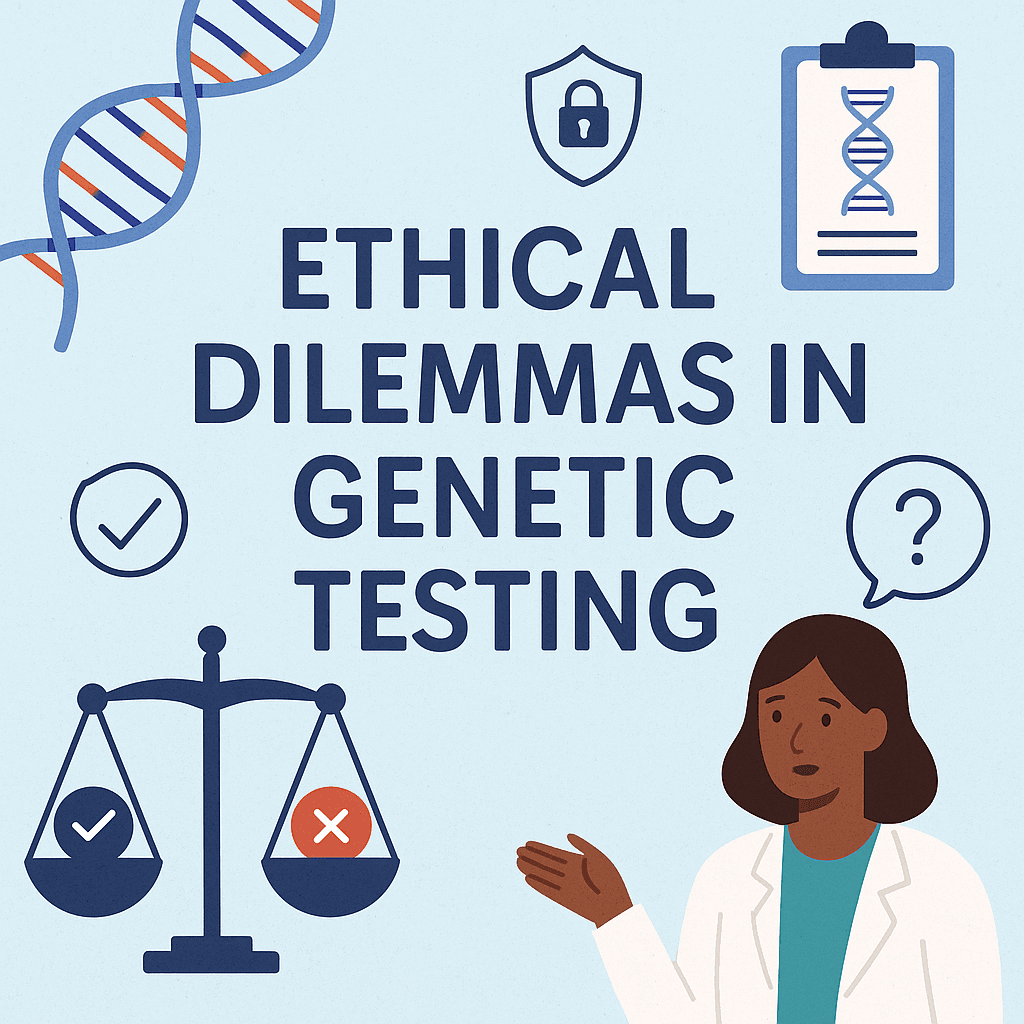
Flat-style digital illustration titled "Ethical Dilemmas in Genetic Testing," featuring a DNA helix, a clipboard with a genetic diagram, a padlock icon for data privacy, a scale representing decision-making, and a genetic counselor explaining concepts. The design uses soft blue and purple tones to convey trust and clarity.

Ethical Considerations in Genetic Testing: Navigating Choices and Responsibilities

Ethical Considerations in Genetic Testing: Navigating Choices and Responsibilities Introduction We all know: “With great power comes great responsibility.” Genetic testing has incredible power to reveal insights about our health and that of future generations, but it also brings serious ethical responsibilities. As genomic technologies advance, we face complex questions regarding consent, privacy, and whether to learn about or decline incidental findings. In this post, we’ll explore those ethical considerations, ensuring that as we embrace the promise of genetic testing, we do so with respect for personal choice and fairness for all. Informed Consent in Genetic Testing True informed consent is more than a signed form; it’s an ongoing conversation. Ethical consent requires patients to understand: Purpose of Testing: Why it’s being done and what it aims to detect [1]. Possible Outcomes: Positive, negative, and uncertain (VUS) results. Limitations: No test can detect all variants; false negatives are possible [2]. Implications for Family: Results may have relevance for biological relatives. When ordering broad tests like whole exome or genome sequencing, counselors explain the range of potential discoveries and reinforce that consent is dynamic, patients can revisit decisions as new information emerges. Incidental and Secondary Findings Incidental Findings: Unanticipated results unrelated to the original testing indication (e.g., discovering a BRCA1 variant during a cardiomyopathy panel) [3]. Secondary Findings: Results deliberately sought beyond the original reason for testing, often limited to a specific gene list (e.g., the ACMG’s list of medically actionable genes) [4]. The ACMG recommends offering to return medically actionable secondary findings but also upholds a patient’s right to opt out of receiving such information. This choice must be clearly documented, reinforcing patient autonomy. Privacy, Data Sharing, and Genetic Discrimination Genomic data is uniquely sensitive. Ethical challenges include: Data Ownership & Sharing: Patients should know how their data may be used in research or shared with databases [5]. Legal Protections: In the U.S., GINA prevents health-insurance and employment discrimination but does not cover life or disability insurance. India currently lacks comprehensive genetic-discrimination laws. Data Security: Robust safeguards are essential to prevent unauthorized access or breaches. Testing in Minors Testing children for adult-onset conditions raises concerns: Autonomy: Children cannot consent; testing may impinge on their future right to decide [6]. Psychosocial Impact: Knowing future disease risk can cause anxiety without immediate benefit. Ethical consensus favors deferring predictive testing for adult-onset disorders until the individual can consent, while testing for childhood-onset or actionable conditions remains appropriate. Family Implications and Duty to Inform Genetic information often affects entire families and Genetic Counselors face dilemmas: Confidentiality vs. Duty to Warn: When a serious, preventable risk exists for relatives, counselors must balance privacy with potential harm to uninformed family members [7]. Encouraging Disclosure: Genetic Counselors guide patients in sharing relevant findings, providing Genetic Counseling sessions for extended family, while respecting confidentiality. Equity and Access to Testing Advanced genetic tests are unevenly accessible: Economic Barriers: High costs or lack of insurance coverage limit uptake [8]. Geographic Disparities: Rural and low-resource regions may lack testing facilities. Cultural and Linguistic Gaps: Consent materials and counseling must be tailored to diverse populations. Addressing these gaps is an ethical imperative to avoid widening health disparities. The Role of Genetic Counseling in Ethical Decision Making Genetic counselors serve as ethical navigators by: Facilitating Informed Choices: Explaining complex information in patient-centred language. Supporting Autonomy: Respecting patients’ values and decisions, including opting out of certain information. Managing Uncertainty: Helping patients live with ambiguous or VUS results. Advocating for Equitable Access: Guiding underserved patients to available resources and financial assistance. Conclusion Genetic testing’s promise comes with ethical responsibility. By prioritizing informed consent, respecting autonomy around incidental findings, safeguarding privacy, and promoting equitable access, genetic counseling ensures that genomic medicine advances in a manner that honors individual values and societal fairness. If you’re considering genetic testing or grappling with the ethical complexities of genomic information, schedule a consultation with our Genetic Counselor, Kishore Sai, to receive personalized, ethically grounded guidance. You can book an appointment here. References Dressler, L. G., et al. (2018). Informed consent for exome sequencing: evolving attitudes in clinical care. Journal of Genetic Counseling, 27(4), 927–937. Richards, S., et al. (2015). Standards and guidelines for the interpretation of sequence variants. Genetics in Medicine, 17(5), 405–424. Green, R. C., et al. (2013). ACMG recommendations for reporting of incidental findings in clinical exome and genome sequencing. Genetics in Medicine, 15(7), 565–574. Kalia, S. S., et al. (2017). Recommendations for reporting of secondary findings in clinical exome and genome sequencing, 2016 update. Genetics in Medicine, 19(2), 249–255. Appelbaum, P. S., et al. (2014). Privacy and confidentiality in whole genome sequencing. Journal of Law, Medicine & Ethics, 42(3), 501–511. Ross, L. F., et al. (2013). Ethical considerations in genetic testing of minors. JAMA Pediatrics, 167(5), 433–439. Tarini, B., et al. (2014). Clinicians’ duty to warn at-risk relatives about genetic risks. Journal of Law, Medicine & Ethics, 42(4), 539–549. Manickam, K., et al. (2020). Exome and genome sequencing for pediatric patients with congenital anomalies or intellectual disability: an economic analysis. Genetics in Medicine, 22(5), 843–852. Explore more on ethical and clinical aspects of genetic counseling at Mirror Gene Blog. Empowering Genetics, Enriching Lives Book Appointment & Take Control Of Your Genetic Health Today Book Consultation

Ethical Considerations in Genetic Testing: Navigating Choices and Responsibilities Read More »

Technological Advances in Genetic Testing What Patients Should Know. A blog by Mirror Gene, Genetic Counseling service in Hyderabad, by Kishore Sai

Technological Advances in Genetic Testing: What Patients Should Know

Technological Advances in Genetic Testing: What Patients Should Know Introduction Genetic testing has become a cornerstone of modern medical practice, offering insights into inherited conditions, guiding treatment decisions, and enabling early interventions. Over the past two decades, rapid technological advances have revolutionized this field, transforming it from basic chromosomal analysis to high-resolution, genome-wide assessments. These innovations have significantly reduced the “diagnostic odyssey” for many patients, particularly those with rare or complex disorders, by providing faster, more comprehensive, and increasingly affordable testing options. Nonetheless, navigating the spectrum of available technologies can be daunting. This post explores key advancements in genetic testing, their clinical impact, and the vital role of genetic counseling in helping patients understand and utilize these tools effectively. A Brief History of Genetic Testing Karyotyping What it is: Analysis of metaphase chromosomes under a microscope to detect large chromosomal abnormalities (e.g., trisomies, large deletions/duplications). Limitations: Resolution is limited to changes of ~5–10 megabases; smaller variants go undetected. Turnaround time is typically 10–14 days [1]. Fluorescence In Situ Hybridization (FISH) What it is: Uses fluorescent probes to target specific DNA sequences on chromosomes, enabling the detection of microdeletions or duplications not visible via karyotype. Limitations: Requires a priori suspicion of a particular chromosomal region; cannot screen the entire genome. Targeted Single-Gene Testing What it is: Sequencing or mutation analysis of one gene known to cause a patient’s phenotype (e.g., CFTR for cystic fibrosis). Limitations: Inefficient when multiple genes could underlie the condition; negative results often prompt a lengthy search for the correct gene. Modern Genetic Testing Technologies Chromosomal Microarray (CMA) Overview: CMA platforms (e.g., array comparative genomic hybridization [aCGH] or single nucleotide polymorphism [SNP] arrays) detect copy number variations (CNVs), submicroscopic gains and losses of DNA, across the genome [2]. Advantages: Higher resolution (~50–100 kilobases) compared to karyotyping. Detects unbalanced rearrangements (microdeletions/duplications) that can cause developmental delays, autism spectrum disorders, and congenital anomalies. Clinical Impact: Diagnostic yield in children with developmental delay/intellectual disability: ~15–20% [3]. Often serves as a first-tier test for unexplained neurodevelopmental disorders. Next-Generation Sequencing (NGS) NGS refers to high-throughput sequencing technologies that allow millions of DNA fragments to be read in parallel. Key NGS applications include: Panel Testing What it is: Simultaneous sequencing of dozens to hundreds of genes known to be associated with a specific phenotype (e.g., epilepsy panel, cardiomyopathy panel). Advantages: More cost-effective than sequential single-gene testing. Higher diagnostic yield for heterogeneous conditions. Clinical Impact: Epilepsy gene panels can identify a molecular diagnosis in ~20–30% of patients with early-onset seizures [4]. Cardiomyopathy panels elucidate pathogenic variants in ~30–50% of familial cases [5]. Whole Exome Sequencing (WES) What it is: Sequencing of all protein-coding regions (~1–2% of the genome) where approximately 85% of known disease-causing variants reside [6]. Advantages: Broad coverage of ~20,000 genes. Particularly useful when the phenotype is unclear or multiple genes could be implicated. Clinical Impact: Diagnostic yield in cohorts of undiagnosed rare disease patients: ~25–40% [7]. Can uncover novel gene-disease associations, advancing scientific knowledge and patient care. Whole Genome Sequencing (WGS) What it is: Sequencing of the entire genome, including coding and non-coding regions. Advantages: Identifies CNVs, single-nucleotide variants (SNVs), small insertions/deletions, structural variants (SVs), and variants in regulatory regions. Does not require prior knowledge of candidate genes. Clinical Impact: Compared to WES, WGS can increase diagnostic yield by an additional 5–10% in rare disease cohorts [8]. Particularly valuable for detecting non-coding variants (e.g., intronic splice changes) or complex structural rearrangements. RNA Sequencing (RNA-Seq) What it is: Sequencing of transcriptomes (all RNA transcripts) to assess gene expression levels, alternative splicing events, and allele-specific expression [9]. Clinical Utility: In cases where DNA sequencing (WES/WGS) is inconclusive, RNA-Seq from patient-derived tissues (e.g., blood, fibroblasts) can reveal splicing abnormalities, gene-fusion events, or expression outliers that explain disease [10]. Limitations: Requires access to relevant tissue; blood may not reflect gene expression in affected tissue (e.g., brain for neurological disorders). Interpretation of RNA data demands specialized bioinformatics pipelines. Methylation Analysis & Epigenetic Testing What it is: Assessment of DNA methylation patterns to diagnose imprinting disorders (e.g., Prader–Willi syndrome, Angelman syndrome) and multilocus imprinting disturbances [11]. Clinical Impact: Identifies conditions invisible to sequence-based methods, such as epimutations or differential methylation. Diagnostic yield of ~10–20% in patients with growth and developmental anomalies suggestive of imprinting defects [12]. Non-Invasive Prenatal Testing (NIPT) What it is: Analysis of cell-free fetal DNA in maternal blood to screen for common aneuploidies (trisomy 21, 18, 13) and select microdeletion syndromes [13]. Advantages: High sensitivity and specificity (>99% for trisomy 21). Low risk: no invasive procedure required. Limitations: Screening, not diagnostic, positive results require confirmatory CVS or amniocentesis. Can yield false positives/negatives in rare scenarios (e.g., confined placental mosaicism, vanishing twin). Impact on Diagnosis and Management Technological advances in genetic testing have tangible benefits for patient care: Increased Diagnostic Yield NGS-based approaches elevate diagnostic rates in complex disorders. In a large cohort, combining WES and CMA resulted in a molecular diagnosis in ~45% of cases with intellectual disability [14]. Earlier diagnosis facilitates targeted management, reducing morbidity and improving outcomes (e.g., early intervention for metabolic disorders). Reduced Diagnostic Odysseys Before NGS, patients often endured years of testing across multiple specialties. Now, trio-WES (sequencing of the patient and both parents) can yield diagnoses in as little as 3 months, compared to an average of 7 years historically [15]. Precision Medicine & Targeted Therapies Identifying actionable variants enables personalized treatments (e.g., MECP2 mutations in Rett syndrome guiding targeted therapies; CFTR modulators for specific cystic fibrosis genotypes) [16][17]. Considerations and Limitations While transformative, advanced genetic tests come with challenges: Variants of Uncertain Significance (VUS) NGS often uncovers VUS, genetic changes whose clinical relevance is unclear. VUS rates in WES can be ~30–50% [19]. Resolving VUS requires functional studies, segregation analysis, and reference to evolving databases. Need for Confirmatory Testing Microarray findings may need FISH or quantitative PCR for confirmation. WES/WGS findings sometimes require Sanger sequencing or targeted assays to validate variants, especially in repetitive regions. Ethical Considerations Incidental Findings: WES/WGS can reveal unrelated actionable variants (e.g., BRCA1 pathogenic

Technological Advances in Genetic Testing: What Patients Should Know Read More »

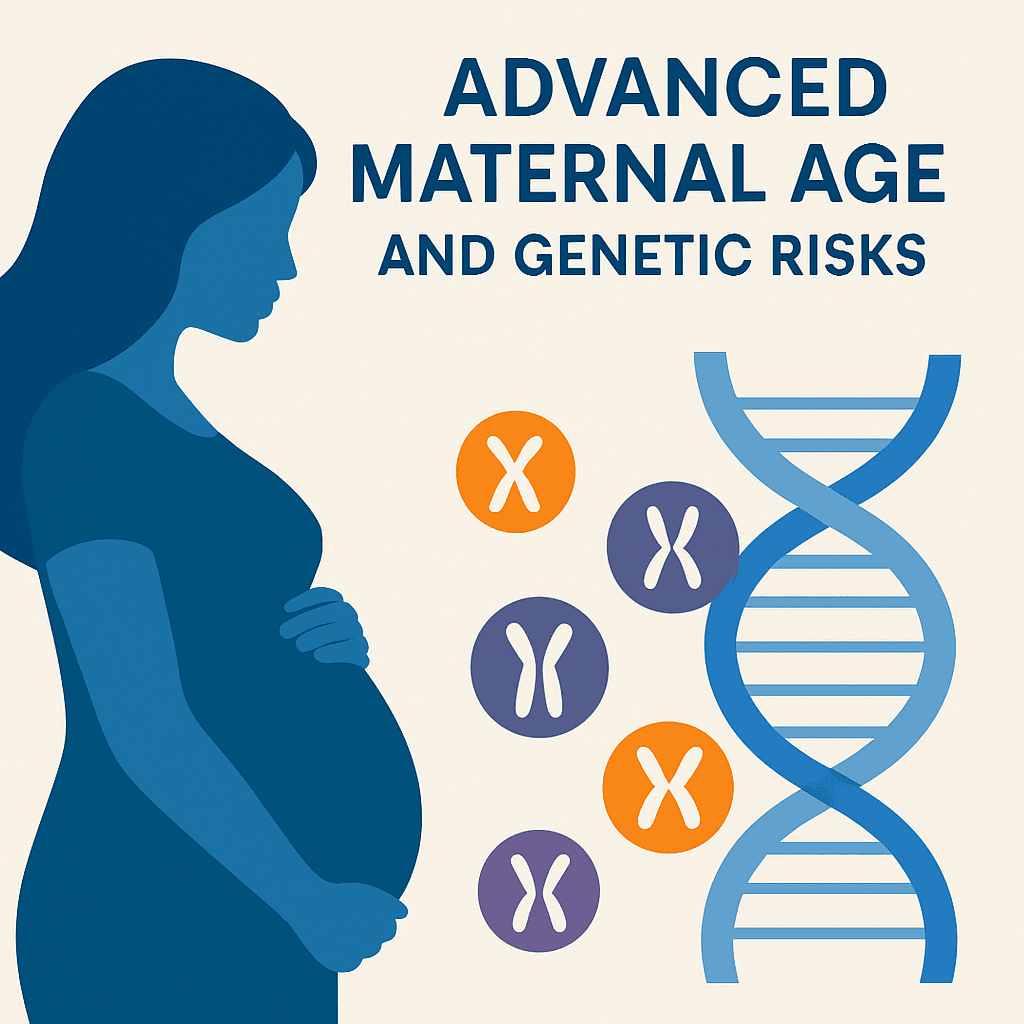
Advanced maternal age and their genetic risks, a blog post, explaining in detail about genetic risks in pregnancy with above 35 years of page

Advanced Maternal Age and Genetic Risks: How Counseling Can Help

Advanced Maternal Age and Genetic Risks: How Genetic Counseling Can Help Introduction Over the past few decades, many individuals and couples have chosen to postpone parenthood for personal, educational, or career reasons. While this shift brings advantages, it also introduces medical considerations—chief among them, Advanced Maternal Age (AMA), defined as pregnancy at age 35 or older. AMA is associated with an increased risk of chromosomal abnormalities and pregnancy complications. Genetic counseling offers tailored guidance, combining cutting-edge genetic testing with empathetic support to help families navigate these risks confidently. Why Maternal Age Matters: The Biology of Egg Aging Women are born with a finite number of oocytes (eggs), and unlike sperm, these eggs do not regenerate. As maternal age advances, several biological changes occur: Chromosomal Nondisjunction:The risk of errors during meiotic cell division—when chromosomes fail to separate properly—increases with age. These errors can result in an extra or missing chromosome in the embryo (trisomy or monosomy) [1]. Mitochondrial Decline:Mitochondria provide energy for cell division. With age, mitochondrial DNA accumulates damage, reducing energy supply and increasing the likelihood of chromosomal segregation errors [2]. Oxidative Stress:Over decades, oocytes are exposed to reactive oxygen species, which can damage DNA and cellular machinery, further heightening nondisjunction risk [2]. Quantifying the Risk: Maternal Age and Chromosomal Abnormalities Epidemiological studies have long documented the relationship between maternal age and aneuploidy: Maternal Age Risk of Down Syndrome (Trisomy 21) at Birth¹ 25 years 1 in 1,250 35 years 1 in 350 40 years 1 in 100 45 years 1 in 30 ¹ Morris et al. (2002) provided revised maternal-age–specific prevalence estimates for Down syndrome based on large registry data. Beyond Down syndrome, AMA also increases the risk of trisomy 18, trisomy 13, and sex-chromosome abnormalities such as Turner syndrome (45,X) and Klinefelter syndrome (47,XXY) [1]. Broader Pregnancy Complications Associated with AMA Advanced maternal age also correlates with non-genetic obstetric complications: Miscarriage: Roughly 20% of recognized pregnancies in women over 40 end in miscarriage, often due to chromosomal anomalies [3]. Gestational Diabetes Mellitus (GDM): Risk increases by approximately 1.5-fold per five-year age increment [4]. Preeclampsia and Hypertensive Disorders: Incidence doubles in AMA pregnancies compared to women under 35 [5]. Preterm Birth and Low Birth Weight: AMA elevates risk of both outcomes by 1.2–1.8 times [4]. Genetic Testing & Screening Options for AMA Genetic counseling integrates several prenatal testing modalities, each with its strengths and considerations: Non-Invasive Prenatal Testing (NIPT) What: Analysis of cell-free fetal DNA in maternal blood to screen for common trisomies (21, 18, 13). Performance: Sensitivity and specificity exceed 99% for trisomy 21 [6]. Timing: From 10 weeks’ gestation onward. First-Trimester Combined Screening What: Maternal serum markers (free β-hCG, PAPP-A) plus nuchal translucency ultrasound between 11–14 weeks. Detection Rate: Approximately 90% for Down syndrome with a 5% false-positive rate [7]. Diagnostic Procedures Chorionic Villus Sampling (CVS): 10–13 weeks; placental biopsy for karyotype and microarray. Miscarriage risk ~0.2–0.5% above baseline [8]. Amniocentesis: 15–20 weeks; amniotic fluid sampling. Miscarriage risk ~0.1–0.3% above baseline [8]. Expanded Carrier Screening What: Panels testing both partners for hundreds of recessive and X-linked conditions. Relevance: Unrelated to age but invaluable in reproductive planning; see our post on Carrier Screening for Couples: A Guide to Informed Parenthood. The Role of Genetic Counseling Genetic counseling transforms raw test data into actionable, personalized plans: Personalized Risk Assessment:Counselors synthesize maternal age, family history, and test results to refine recurrence risks [9]. Clear Communication:Complex probabilistic data (e.g., “1 in 100 risk”) is translated into understandable terms, reducing confusion and anxiety [9]. Emotional Support:AMA can evoke apprehension; counselors provide empathetic guidance, normalizing concerns and offering coping strategies [10]. Shared Decision-Making:Couples weigh screening vs. diagnostic tests based on their values, risk tolerance, and clinical context, supported by non-directive counseling [10]. For a detailed walkthrough of the counseling process, see Understanding the Genetic Counseling Process: A Comprehensive Guide. Next Steps for Prospective Parents Early Consultation: Schedule genetic counseling before conception or early in the first trimester to maximize options. Preparation: Compile a three-generation family history, noting any genetic or developmental conditions. Test Selection: Discuss the benefits, limitations, and risks of each screening and diagnostic option. Follow-up Planning: Establish a plan for interpretation of results, referral to specialists, and ongoing care. Conclusion While advanced maternal age increases certain genetic and obstetric risks, proactive genetic counseling provides clarity, empowers informed choices, and offers emotional support. Couples can confidently navigate prenatal testing—from high-sensitivity NIPT to definitive diagnostic procedures—and plan their families with comprehensive guidance. Ready to take control of your reproductive journey?Book a genetic counseling session by scheduling an appointment. We are here to guide you every step of the way. References Morris, J. K., Mutton, D. E., & Alberman, E. (2002). Revised estimates of the maternal age-specific live birth prevalence of Down’s syndrome. Journal of Medical Genetics, 39(9), 698–699. MacLennan, A. J., & Drexler, D. (2006). Replicative potential and mitochondrial DNA mutation in aging: a molecular explanation. Molecular Biology of the Cell, 17(4), 1305–1311. Nybo Andersen, A.-M., Urhoj, S. K., & Henriksen, T. B. (2016). Advanced maternal age and adverse pregnancy outcomes: A comparative review. International Journal of Obstetrics and Gynaecology, 123(6), 761–768. Chiefari, E., Arcidiacono, B., Foti, D., & Brunetti, A. (2017). Gestational diabetes mellitus: an updated overview. Journal of Endocrinological Investigation, 40(9), 899–909. Bath, S. C., Steer, C. D., Golding, J., Emmett, P. M., & Rayman, M. P. (2010). Effect of inadequate iodine status in UK pregnant women on cognitive outcomes in their children: results from the ALSPAC cohort. The Lancet, 376(9750), 924–931. Norton, M. E., Jacobsson, B., Swamy, G. K., Laurent, L. C., Ranzini, A. C., Brar, H., … & Wapner, R. J. (2015). Cell-free DNA analysis for noninvasive examination of trisomy. New England Journal of Medicine, 372(17), 1589–1597. Nicolaides, K. H. (2004). Screening for chromosomal abnormalities. Ultrasound in Obstetrics & Gynecology, 23(6), 630–638. Wapner, R. J., Martin, C. L., Levy, B., Ballif, B. C., Eng, C. M., Zachary, J. M., … & Jackson, L. (2012). Chromosomal microarray versus karyotyping for prenatal diagnosis. New England Journal of Medicine, 367(23), 2175–2184.

Advanced Maternal Age and Genetic Risks: How Counseling Can Help Read More »

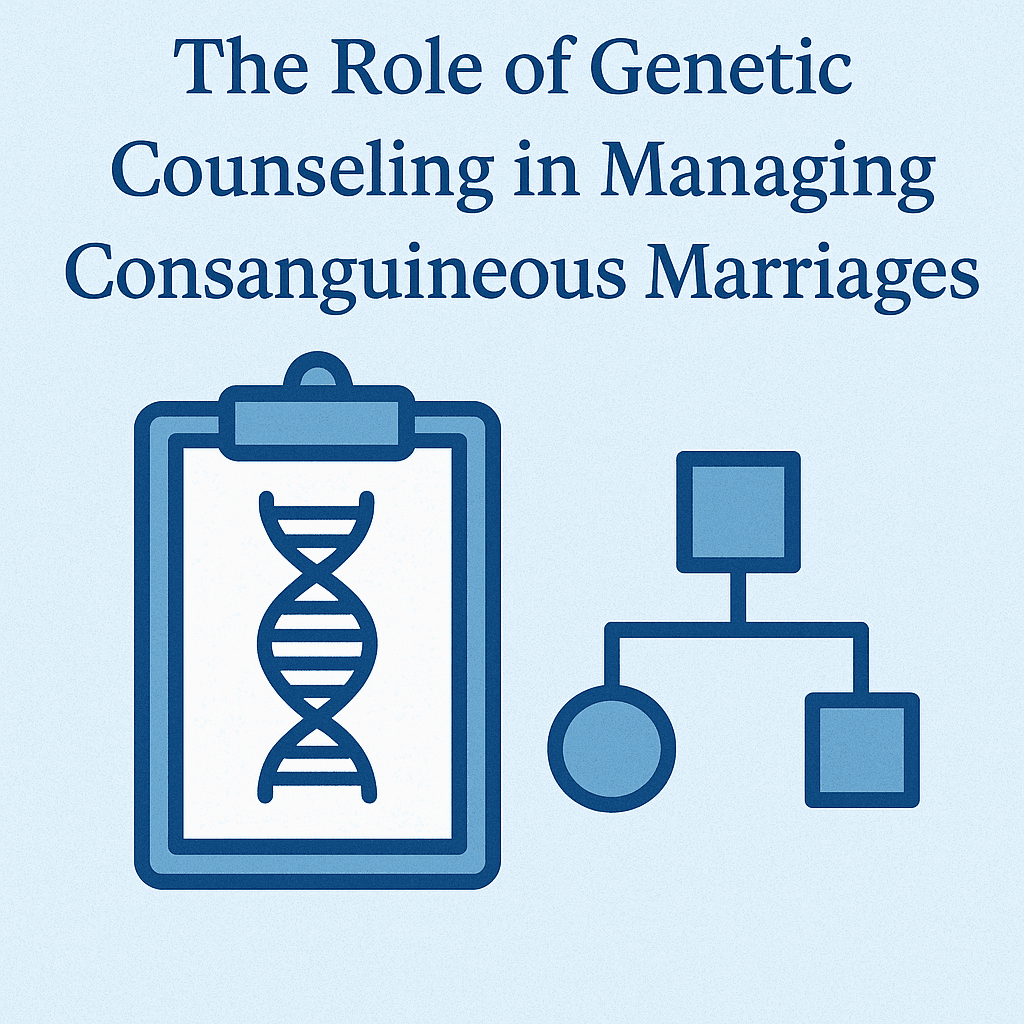
The Role of Genetic Counseling in Managing Consanguineous Marriages

The Role of Genetic Counseling in Managing Consanguineous Marriages Introduction In many parts of the world, especially India, the Middle East, and North Africa, consanguineous marriages (unions between biologically related individuals) are a long-standing social and cultural norm. While these relationships offer social and familial advantages, they also carry a higher risk of genetic disorders in offspring due to shared ancestry and inherited genes [1][2]. Genetic counseling plays a crucial role in helping such couples make informed decisions about starting or expanding their families. It offers not just a clinical service but a personalized approach to managing inherited risks with clarity and care. Genetic Risks in Consanguineous Marriages Every individual carries approximately four to five autosomal recessive gene mutations—most of which do not affect them unless their partner also carries a mutation in the same gene [3]. In consanguineous unions, particularly between first cousins, the chance of both partners carrying the same mutated gene increases due to shared ancestry [4]. Global heat map of consanguinity rates by country, with darker shading indicating higher prevalence in South Asia, the Middle East, and parts of sub-Saharan Africa, adapted from Bittles & Black (2010) [18]. If both partners are carriers of the same autosomal recessive condition, the risk for each child is: 25% chance the child will be affected 50% chance the child will be a carrier 25% chance the child will be unaffected and not a carrier [5] You can read more about carrier screening in our previous post, “Carrier Screening for Couples: A Guide to Informed Parenthood.” Commonly observed conditions in consanguineous families include: Beta-Thalassemia Spinal Muscular Atrophy (SMA) Maple Syrup Urine Disease Certain lysosomal storage disorders Intellectual disability syndromes [6][7] Studies from South Asia and the Middle East report up to a 2.5-fold increased risk of congenital disorders in consanguineous populations [8]. How Genetic Counseling Helps Risk Assessment: Your genetic counselor will collect a detailed three-generation family history (pedigree) to identify known or suspected inherited disorders [9]. Carrier Screening: Expanded carrier screening panels test for dozens to hundreds of recessive and X-linked conditions, even when there is no known family history [10][11]. Interpretation of Results: Counselors explain what carrier status means for reproductive outcomes, clarifying that being a carrier does not affect one’s own health but can impact offspring if both partners carry the same variant [12]. Psychosocial & Cultural Support: Understanding that consanguinity is deeply rooted in culture, counselors approach discussions without judgment, offering emotional support and guiding couples respectfully and non-directive [13]. Read more about our process in “Understanding the Genetic Counseling Process: A Comprehensive Guide.” Reproductive Options and Next Steps When both partners are carriers, options include: IVF with Preimplantation Genetic Testing (PGT): Embryos are tested before implantation to select unaffected embryos [14]. Prenatal Diagnostic Testing: CVS (10–13 weeks) or amniocentesis (15–20 weeks) can diagnose the condition in utero, enabling informed decisions [15]. Donor Gametes: An option for couples wishing to avoid risk while carrying a pregnancy. Undergoing genetic counseling before conception provides time to consider these choices calmly and privately [16]. Ethical & Cultural Sensitivity A cornerstone of genetic counseling is respect for diverse cultural, social, and religious values. Counselors do not discourage consanguineous unions; instead, they ensure couples are fully informed of their reproductive risks and options in a supportive, non-judgmental environment [17]. Conclusion While consanguineous marriages carry increased genetic risks, genetic counseling offers clarity, choice, and support. Couples can explore carrier screening, risk assessment, and reproductive planning with confidence and care. If you and your partner share a biological relationship or have a family history of genetic conditions, consider scheduling a genetic counseling session. We are here to guide you every step of the way. References Hamamy, H. (2012). Consanguineous marriages: Preconception consultation in primary health care settings. Journal of Community Genetics, 3(3), 185–192. Modell, B., & Darr, A. (2002). Genetic counselling and customary consanguineous marriage. Nature Reviews Genetics, 3(3), 225–229. Bell, C. J., et al. (2011). Carrier testing for severe childhood recessive diseases by next-generation sequencing. Science Translational Medicine, 3(65), 65ra4. Tadmouri, G. O., et al. (2009). Consanguinity and reproductive health among Arabs. Reproductive Health, 6(1), 17. Bittles, A. H. (2008). A community genetics perspective on consanguineous marriage. Community Genetics, 11(6), 324–330. Al-Gazali, L., & Hamamy, H. (2014). Consanguinity and dysmorphology in Arabs. Human Heredity, 77(1–4), 93–107. Alkuraya, F. S. (2013). Genetics and genomic medicine in Saudi Arabia. Molecular Genetics & Genomic Medicine, 1(3), 103–109. Shawky, R. M., et al. (2011). Consanguineous matings among Egyptian population. Egyptian Journal of Medical Human Genetics, 12(2), 157–163. Resta, R. G. (2006). The new definition of genetic counseling: A point of view. Journal of Genetic Counseling, 15(2), 77–83. Lazarin, G. A., et al. (2013). Carrier screening: Past, present, and future. Journal of Clinical Medicine, 2(3), 313–329. Beauchamp, K. A., et al. (2019). Expanded carrier screening in reproductive healthcare: A survey of current practice. American Journal of Obstetrics and Gynecology, 220(3), 294.e1–294.e11. Ioannou, L., et al. (2014). Population-based carrier screening: A scoping review. European Journal of Human Genetics, 22(8), 956–965. Weil, J. (2002). Genetic counseling in the era of genomic medicine. Seminars in Medical Genetics, 106(4), 197–201. Harper, J. C., et al. (2010). Preimplantation genetic diagnosis: State of the art. Human Reproduction Update, 16(5), 415–429. Wapner, R. J., et al. (2012). Chromosomal microarray versus karyotyping for prenatal diagnosis. New England Journal of Medicine, 367(23), 2175–2184. De Wert, G., et al. (2014). Preconception care and genetic risk. European Journal of Human Genetics, 22(5), 572–578. Dheensa, S., et al. (2017). Ethical issues in genetic counselling with consanguineous couples. Journal of Medical Ethics, 43(10), 692–697. Bittles, A. H., & Black, M. L. (2010). Consanguinity, human evolution, and complex diseases. Proceedings of the National Academy of Sciences, 107(Suppl 1), 1779–1786. Empowering Genetics, Enriching Lives Book Appointment & Take Control Of Your Genetic Health Today Book Consultation

The Role of Genetic Counseling in Managing Consanguineous Marriages Read More »

Blog post about Genetic Anticipation by Mirror Gene a genetic counseling service in Hyderabad by Kishore sai

Genetic Anticipation: Understanding How Hereditary Disorders Can Change Over Generations

Genetic Anticipation: Understanding How Hereditary Disorders Can Change Over Generations Introduction Genetic anticipation is the phenomenon where certain hereditary disorders tend to present at an earlier age and often with increased severity in each successive generation [1]. This concept is particularly significant for families affected by conditions such as Huntington’s disease or myotonic dystrophy, where the number of trinucleotide repeats can expand over generations, leading to earlier onset of symptoms [2]. For patients and their families, understanding genetic anticipation is crucial—it informs decisions about early testing, intervention, and family planning. Genetic counseling plays a vital role in helping families navigate these complexities, ensuring they are prepared for potential changes in disease presentation over time. The Science Behind Genetic Anticipation Genetic anticipation is most commonly observed in disorders caused by trinucleotide repeat expansions. In these conditions, a specific sequence of three nucleotides is repeated more times than normal. With each successive generation, the number of repeats may increase—a process known as “repeat expansion”—which can lead to a more severe phenotype or earlier onset of the disorder [3].For instance, in Huntington’s disease, the expansion of CAG repeats in the HTT gene correlates with an earlier age of onset and faster progression of the disease [3]. Similarly, myotonic dystrophy demonstrates anticipation, where longer repeats are associated with more pronounced symptoms. This dynamic nature of repeat expansions makes genetic anticipation a critical factor in understanding and managing these disorders. Genetic Anticipation in Practice How It Affects Families When genetic anticipation is present, each generation may experience symptoms at an earlier age or with greater intensity than the previous one. This can greatly impact family planning and life choices, as parents and relatives must consider not only the current state of health but also the potential future progression of the disorder. The uncertainty and variability in disease expression can be challenging, creating a need for proactive management and counseling. The Role of Genetic Counseling Genetic counselors will help families understand the implications of anticipation by: Explaining Complex Genetic Principles: They break down how repeat expansions work and what they mean for disease progression. Risk Assessment: Counselors evaluate family history and test results to estimate the risk of early onset in future generations. Emotional Support: The prospect of genetic anticipation can be emotionally challenging. Counselors provide guidance and support to help families cope with anxiety and uncertainty. Informed Decision-Making: Genetic counseling empowers families to make proactive choices about surveillance and reproductive planning by providing clear information on genetic risks and available interventions [1,4]. You can read more about Genetic Counseling process in our previous blog post here. Research Highlights Recent studies have improved our understanding of genetic anticipation. Research in Nature Reviews Genetics has explained the molecular mechanisms behind trinucleotide repeat expansions, while clinical studies in The Lancet Neurology have correlated repeat length with age of onset in Huntington’s disease [2,3]. These insights are not only academically fascinating but also have real-world implications: they enable earlier diagnosis and targeted interventions that may slow disease progression and improve quality of life. Challenges and Ethical Considerations While genetic anticipation provides critical insights into disease progression, it also raises several challenges: Emotional Impact: Learning that a disorder may manifest earlier or more severely in the next generation can be distressing. Families may experience significant anxiety and uncertainty about the future [4]. Ethical Dilemmas: Predictive testing for anticipation can lead to tough decisions regarding reproduction and long-term care planning. Balancing hope with realistic expectations is essential. Data Interpretation: Variability in repeat expansion and its effects can sometimes lead to uncertain test results, complicating counseling and decision-making processes. Genetic counseling helps address these challenges by ensuring that families understand both the scientific and emotional aspects of anticipation. The Future of Genetic Anticipation Research Advances in genetic testing technology continue to improve our ability to detect and quantify trinucleotide repeat expansions, providing more accurate predictions of disease onset. Ongoing research aims to develop interventions that can stabilize or even reverse repeat expansions, offering hope for future therapies [5]. As our understanding deepens, genetic counseling will increasingly incorporate these advancements to offer more precise risk assessments and tailored management strategies. Conclusion Genetic anticipation is a complex yet critical concept in understanding hereditary disorders. By identifying trends such as earlier onset or increased severity in successive generations, genetic testing provides invaluable insights that can guide early intervention and family planning. Genetic counseling is essential in helping families interpret these findings, cope with the emotional impact, and make informed decisions about their future. If you suspect a history of genetic anticipation in your family or need guidance on hereditary disorders, consider reaching out for professional genetic counseling. If you suspect a history of genetic anticipation in your family or need guidance on hereditary disorders, consider reaching out for professional genetic counseling, Book a consultation today to learn more. References Smith, J. A., et al. (2010). Genetic Anticipation in Human Disease: Mechanisms and Implications. American Journal of Human Genetics, 86(4), 547-556. Johnson, R. L., & Thompson, P. (2012). Trinucleotide Repeat Expansions and Their Role in Neurodegenerative Disorders. Nature Reviews Genetics, 13(6), 389-398. Williams, D. S., et al. (2013). Clinical Correlations of CAG Repeat Expansion in Huntington’s Disease. The Lancet Neurology, 12(7), 634-642. Davis, K. L., & Martin, L. (2015). Ethical and Psychological Considerations in Predictive Genetic Testing. Journal of Medical Ethics, 41(9), 794-798. Brown, E. M., et al. (2018). Advances in Genetic Testing and Therapeutic Interventions for Repeat Expansion Disorders. Genetics in Medicine, 20(12), 1419-1427. Empowering Genetics, Enriching Lives Book Appointment & Take Control Of Your Genetic Health Today Book Consultation

Genetic Anticipation: Understanding How Hereditary Disorders Can Change Over Generations Read More »

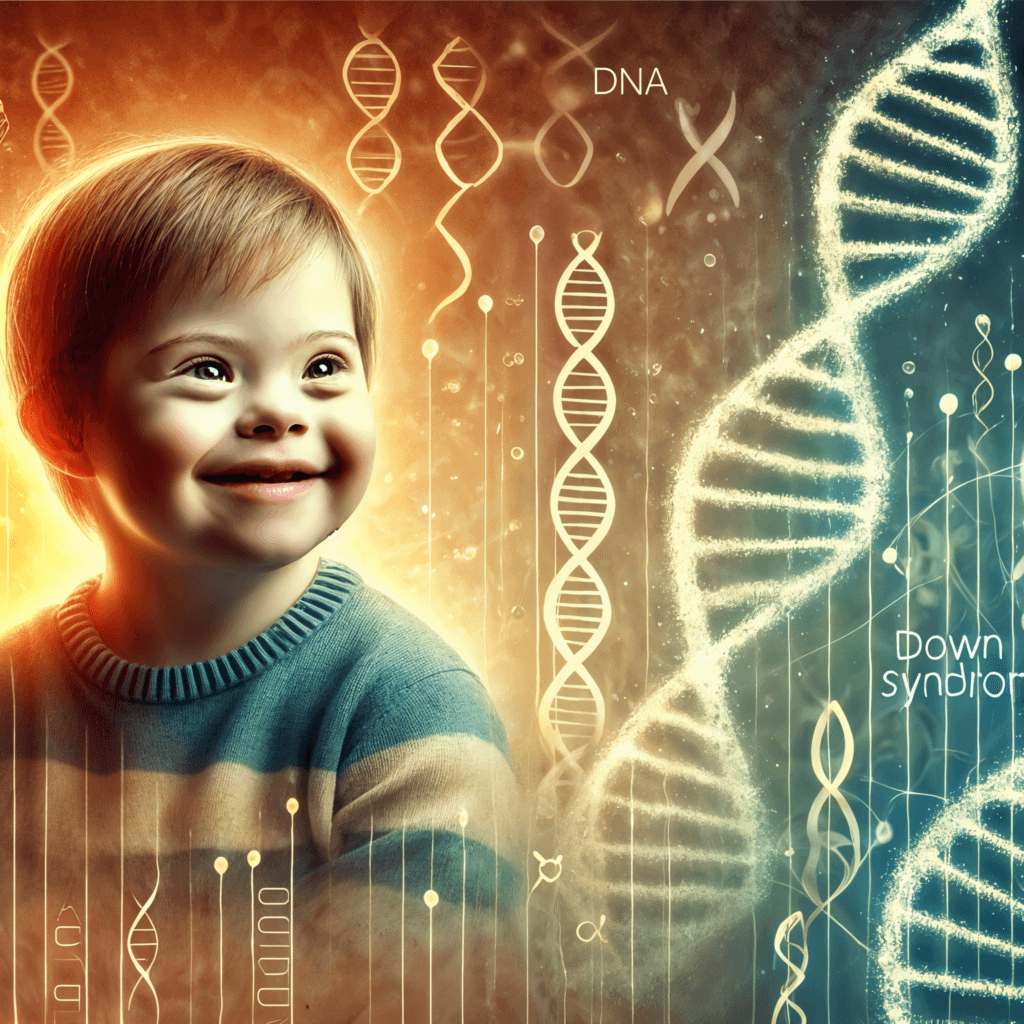
A baby with Down Syndrome. A blog by Mirror Gene a genetic Counseling service by Kishore Sai, on Awareness about Down Syndrome

Down Syndrome Awareness: Understanding the Condition and the Role of Genetic Counseling

Down Syndrome Awareness: Understanding the Condition and the Role of Genetic Counseling Introduction Down Syndrome (DS) is one of the most common genetic conditions, affecting approximately 1 in 700 births worldwide. It occurs when an individual has an extra copy of chromosome 21—also known as Trisomy 21—which leads to intellectual disabilities, distinctive physical features, and potential health complications. While a disease is classified as rare when it affects fewer than 1 in 2,000 individuals, Down Syndrome remains one of the best-known chromosomal disorders impacting millions globally. March 21st is celebrated as World Down Syndrome Day, a day dedicated to promoting awareness, inclusion, and support for individuals with Down Syndrome and their families. In this post, we explore the causes and risk factors of Down Syndrome, discuss how genetic testing aids early diagnosis, and examine the crucial role of genetic counseling. We also highlight support groups available in India that empower families with community and resources. Causes & Risk Factors Down Syndrome is primarily a chromosomal disorder resulting from nondisjunction, an error during cell division that produces an extra copy of chromosome 21. There are three main types: Trisomy 21 (95% of cases): Every cell has three copies of chromosome 21. Mosaic Down Syndrome (2–3% of cases): Only some cells have an extra copy of chromosome 21. Translocation Down Syndrome (2–3% of cases): A portion of chromosome 21 attaches to another chromosome. Risk Factors include: Maternal Age: The risk increases significantly for mothers over 35 years. Family History: A previous child with DS may slightly elevate the risk in subsequent pregnancies. Parental Translocations: Rare cases where a parent carries a balanced translocation can lead to DS in offspring. Diagnosis & Genetic Testing Prenatal Testing Genetic testing allows for early detection of Down Syndrome during pregnancy. Testing approaches include: Screening Tests: First Trimester Screening: Combines maternal blood tests with ultrasound measurements (nuchal translucency). Non-Invasive Prenatal Testing (NIPT): Analyzes fetal DNA in the mother’s blood, providing a risk estimate for DS with high accuracy. Diagnostic Tests: Chorionic Villus Sampling (CVS): Performed between 10–13 weeks to test placental tissue for chromosomal abnormalities. Amniocentesis: Conducted between 15–20 weeks, examining amniotic fluid to confirm DS through karyotyping. Postnatal Diagnosis After birth, your healthcare team—including pediatricians, clinical geneticists, and/or genetic counselors—uses a combination of clinical examinations and genetic tests to confirm Down Syndrome: Clinical Examination:  Newborns with Down Syndrome often have distinct features such as low muscle tone, an upward slant to the eyes, a single deep crease across the palm, and a flat facial profile. However, these signs alone are not enough for a definitive diagnosis. Karyotyping: A blood test that confirms the presence of an extra copy of chromosome 21. Fluorescence In Situ Hybridization (FISH): A rapid genetic test that can detect the extra chromosome quickly, followed by full karyotype confirmation. Early diagnosis is key, as it allows for timely interventions and supportive therapies that improve the overall quality of life.   🧬 Did you know? The discovery of Down Syndrome’s chromosomal basis was made in 1959 by Dr. Jérôme Lejeune, changing the way we understand genetic conditions. How Genetic Counseling Helps Genetic testing provides critical data, but understanding that data requires expertise. Genetic counselors offer essential support by: Explaining Complex Results: Translating genetic data into understandable information for families. Assessing Risk: Evaluating implications for current and future pregnancies. Providing Emotional Support: Helping families cope with uncertainty and emotional stress. Discussing Options: Outlining reproductive choices and early intervention strategies. For a more in-depth look at the process, please see our blog on Understanding the Genetic Counseling Process: A Comprehensive Guide. Living with Down Syndrome With the right support and interventions, individuals with Down Syndrome can lead fulfilling lives. Key aspects include: Early Intervention Programs: Speech, occupational, and physical therapies significantly enhance development. Regular Medical Management: Routine check-ups to monitor heart health, thyroid function, and overall development are vital. Inclusive Education and Community Support: Access to educational programs and community networks fosters independence and social inclusion. Improved Life Expectancy: Advances in medical care have increased the average life expectancy to 60+ years. 💡 Did you know? Many individuals with Down Syndrome participate in sports, music, and even professional careers, proving that they can break stereotypes and achieve remarkable things! Support Groups for Down Syndrome in India For families navigating life with Down Syndrome, community support is invaluable. Across India, various organizations, parent-led networks, and advocacy groups offer emotional support, practical advice, and a sense of community. National and Regional Organizations:Organizations like the Down Syndrome Federation of India (DSFI) lead nationwide awareness initiatives, host community events, and provide educational resources that empower families. Peer Support Networks:Parent-led groups and online communities offer platforms to share personal experiences and practical strategies, reducing isolation. Educational and Advocacy Groups:Non-profits dedicated to promoting inclusive education and public awareness provide training for caregivers and advocate for supportive policies. Engaging with these support groups offers not only practical advice but also the emotional reassurance of being part of a caring community. Common Myths vs. Facts ✘ Myth: Down Syndrome is extremely rare.✔ Fact: It is one of the most common genetic conditions, affecting over 6 million people globally. ✘ Myth: Individuals with Down Syndrome cannot live independently.✔ Fact: With appropriate support, many individuals achieve varying degrees of independence and lead successful lives. ✘ Myth: Down Syndrome is caused by parental actions.✔ Fact: It occurs due to a random chromosomal error, not because of anything parents did. The Future of Down Syndrome Diagnosis and Care Advancements in genetic testing and research continue to improve diagnosis and management: Expanded Newborn Screening: Early detection enables prompt intervention. Advances in Genetic Research: Ongoing studies lead to new therapies and improved healthcare outcomes. Enhanced Support Networks: Increased public awareness and advocacy are driving better resources for affected individuals. Conclusion On World Down Syndrome Day, 21st March 2025, we honor the resilience of individuals with Down Syndrome and acknowledge the progress made in early diagnosis and care. Early detection through genetic testing, paired with comprehensive genetic counseling, empowers families

Down Syndrome Awareness: Understanding the Condition and the Role of Genetic Counseling Read More »

The Y Chromosome: Understanding Its Role in Genetics and Health. Genetic counseling at Mirror Gene in Hyderabad by Kishore Sai, Genetic Counselor.

The Y Chromosome: Understanding Its Role in Genetics and Health

The Y Chromosome: Understanding Its Role in Genetics and Health Introduction The Y chromosome is often associated with male development, but its role in human genetics is far more complex. Unlike other chromosomes, the Y chromosome has unique characteristics—it is the smallest chromosome and carries fewer genes, yet it plays a crucial role in determining biological sex and influencing certain health conditions. For many people, understanding the Y chromosome’s function can provide insight into inherited conditions, fertility concerns, and even aging-related changes. Genetic counseling can help individuals navigate these complexities, offering clarity on Y-linked genetic conditions and reproductive health. What Makes the Y Chromosome Unique? Unlike the 22 pairs of autosomes (non-sex chromosomes), humans have one pair of sex chromosomes: XX for females and XY for males. The Y chromosome is significantly smaller than the X chromosome and carries only about 50-60 protein-coding genes. Its primary function is to initiate male development through the SRY (Sex-determining Region Y) gene, which triggers the formation of testes. Did you know? The Y chromosome has lost over 90% of its ancestral genes over millions of years of evolution, leading to debates on whether it might eventually disappear! Despite its small size, the Y chromosome plays a role in more than just sex determination. It influences: Male fertility through genes involved in sperm production. [1] Certain genetic disorders inherited in a Y-linked manner. Potential links to health conditions such as heart disease and autoimmune disorders. Y-Linked Inheritance: What Conditions Are Passed Through the Y Chromosome? Because males inherit a Y chromosome only from their father, Y-linked conditions pass strictly from father to son. These conditions are rare but can significantly impact health. Some known Y-linked disorders include: Y Chromosome Infertility – Mutations or deletions in the Y chromosome can lead to low sperm count or even complete absence of sperm (azoospermia). [2] Swyer Syndrome – A condition where individuals with an XY chromosome set develop as female due to a non-functioning SRY gene. Other Y-Linked Syndromes – Some forms of hearing loss, skeletal abnormalities, and neurological disorders have been linked to the Y chromosome. Genetic counseling can help individuals with Y-linked conditions understand their reproductive options and explore potential treatments. The Y Chromosome and Male Fertility Fertility issues are among the most common concerns related to the Y chromosome. The AZF (Azoospermia Factor) regions on the Y chromosome play a crucial role in sperm production. Deletions in these regions can cause: Low sperm count (oligospermia) Absence of sperm (azoospermia) Increased risk of infertility in male offspring For men struggling with infertility, genetic testing can determine whether a Y chromosome deletion is the cause. In some cases, assisted reproductive techniques like ICSI (Intracytoplasmic Sperm Injection) may offer a path to biological parenthood. [2] Does the Y Chromosome Affect Aging and Health? Recent research suggests that loss of the Y chromosome in certain cells over time—particularly in blood cells—might be linked to age-related conditions, such as: Increased risk of cardiovascular diseases Higher susceptibility to cancers Possible links to immune system decline While the exact implications are still under study, these findings highlight the potential importance of Y chromosome research in longevity and disease prevention. Did you know? Men are more likely than women to develop certain cancers and heart conditions, and some researchers believe Y chromosome loss in aging cells may contribute to this difference. Conclusion The Y chromosome may be small, but its impact on human biology is significant. From determining sex at birth to influencing fertility and aging, this unique chromosome carries important genetic information. Understanding its role can help individuals navigate health concerns, especially when dealing with genetic disorders or reproductive challenges. If you have concerns about Y-linked conditions, infertility, or genetic health risks, genetic counseling can provide personalized insights and testing options. Book a consultation today to learn more. References Colaco, S., Modi, D. Genetics of the human Y chromosome and its association with male infertility. Reprod Biol Endocrinol 16, 14 (2018). https://doi.org/10.1186/s12958-018-0330-5 Witherspoon L, Dergham A, Flannigan R. Y-microdeletions: a review of the genetic basis for this common cause of male infertility. Transl Androl Urol 2021;10(3):1383-1390. doi: 10.21037/tau-19-599 Empowering Genetics, Enriching Lives Book Appointment & Take Control Of Your Genetic Health Today Book Consultation

The Y Chromosome: Understanding Its Role in Genetics and Health Read More »