
Blog

Your blog category

The Role of Genetic Counseling in Preventive Healthcare. Genetic counseling by Mirror Gene, Hyderabad by Kishore sai, Genetic Counselor

The Role of Genetic Counseling in Preventive Healthcare

The Role of Genetic Counseling in Preventive Healthcare Introduction Imagine knowing your health risks in advance—having the opportunity to take proactive steps before a condition manifests. This is the potential of genetic counseling in preventive healthcare. As our understanding of genetics deepens, it becomes clear that many diseases have a genetic component. Genetic counseling helps individuals and families navigate these risks, offering knowledge, reassurance, and a plan for the future. Whether it’s identifying hereditary cancer risks, guiding family planning, or managing conditions like muscular dystrophies, genetic counseling provides a powerful tool to protect health and well-being. Why Genetic Counseling Matters? Traditional healthcare often focuses on treating diseases after they occur. However, genetic counseling shifts the focus to prevention, enabling early detection, risk reduction, and informed decision-making. By understanding one’s genetic makeup, individuals can take meaningful steps to reduce their chances of developing serious conditions or prepare for potential health challenges in advance. Key benefits of genetic counseling in preventive healthcare include: Early Risk Identification: Detects genetic predispositions to conditions like cancer, cardiovascular diseases, and neurodegenerative disorders. Personalized Health Strategies: Offers tailored recommendations for lifestyle modifications, surveillance, and interventions. Reproductive Planning: Helps prospective parents understand risks for inherited conditions like thalassemia or Duchenne muscular dystrophy. Informed Medical Decisions: Supports patients in making choices about screenings, preventive surgeries, or targeted therapies. Genetic Counseling Across Different Health Areas Hereditary Cancers Certain cancers, such as breast, ovarian, colorectal, and prostate cancer, have strong genetic links. If someone in your family has had cancer at a young age or multiple relatives have been affected, genetic counseling can assess your risk. For example, BRCA1 and BRCA2 mutations significantly increase the risk of breast and ovarian cancer. Knowing your genetic status allows for preventive steps, such as enhanced screening or risk-reducing measures.   Cardiovascular Genetics Conditions like hypertrophic cardiomyopathy, familial hypercholesterolemia, and long QT syndrome can be inherited. Many people only discover these risks after a sudden cardiac event. Genetic counseling helps identify at-risk individuals early, allowing for lifestyle changes, medication, or even medical procedures to prevent complications.   Neurological and Movement Disorders Neurogenetic conditions such as Huntington’s disease, hereditary ataxias, and some forms of Parkinson’s disease can have a genetic basis. For families with a history of movement disorders, genetic counseling provides clarity on risks and potential early interventions, including lifestyle changes and experimental treatments.   Muscular Dystrophies and Rare Genetic Disorders Duchenne muscular dystrophy (DMD) and other inherited muscle disorders can be devastating for families. Carrier screening and prenatal testing help at-risk families make informed reproductive choices. Additionally, early diagnosis through genetic counseling can enable participation in clinical trials and emerging treatments.   Carrier Screening for Prospective Parents Many severe genetic conditions, such as cystic fibrosis, sickle cell disease, and spinal muscular atrophy (SMA), are inherited when both parents are carriers of a faulty gene. Genetic counseling offers carrier screening, helping couples understand their risks before pregnancy and explore reproductive options if needed. Ethical Considerations and Emotional Impact Genetic counseling isn’t just about science—it’s about people, families, and deeply personal choices. Learning about genetic risks can be empowering, but it can also be emotionally overwhelming. Genetic counselors provide not just information but also support, helping individuals process results, cope with uncertainty, and make informed decisions that align with their values and circumstances. Privacy and ethics also play a critical role. Ensuring that genetic information is handled sensitively and protecting individuals from discrimination (such as insurance or employment bias) is essential to building trust in genetic services. The Future of Preventive Genetics With advancements in genetic research and testing technology, the role of genetic counseling in preventive healthcare will only expand. As whole genome sequencing becomes more accessible, personalized medicine will allow individuals to take even greater control over their health. By integrating genetic counseling into routine healthcare, we move toward a future where prevention takes precedence over reaction—where knowledge provides guidance, and families can make informed decisions that align with their health and future goals. Conclusion Genetic counseling offers individuals and families the chance to understand their genetic health and make informed decisions. It provides clarity on inherited risks, helps navigate complex medical choices, and supports proactive health planning. Whether you’re considering family planning, assessing your risk for a genetic condition, or seeking guidance on preventive measures, genetic counseling equips you with the information needed to take control of your health journey. If you’d like to learn more about how genetic counseling can help you or your family, reach out for a consultation. Your health story is still being written—genetic counseling ensures you have a say in how it unfolds. Empowering Genetics, Enriching Lives Book Appointment & Take Control Of Your Genetic Health Today Book Consultation

The Role of Genetic Counseling in Preventive Healthcare Read More »

Genetic Testing for rare diseases blog article by Mirror gene genetic counseling service in Hyderabad, Telangana

Genetic Testing for Rare Diseases: Unlocking the Mysteries

Genetic Testing for Rare Diseases: Unlocking the Mysteries Introduction Rare disorders, though individually uncommon, affecting a small percentage of the population, collectively impact millions of lives globally. Diagnosing these conditions has long been a challenge, but genetic testing offers a transformative solution by uncovering the genetic causes behind these disorders, providing patients and their families with answers, clarity, and potential paths forward. This blog explores how genetic testing is transforming the landscape of rare disorder diagnosis, the challenges patients face, and the benefits of integrating genetic insights into healthcare. What Are Rare Diseases? Rare disorders are medical conditions that affect fewer than 1 in 2,000 individuals [1]. While each disorder is uncommon, their cumulative impact is substantial, affecting approximately 300 million people globally. However, there are over 7,000 rare diseases. These disorders are often: Genetic in origin: Over 80% of rare disorders have a genetic cause [1]. Multisystemic: They can affect multiple organs, making diagnosis challenging. Debilitating: Many cause severe disability or are life-threatening. Challenges in Diagnosing Rare Disorders Diagnosing rare disorders can take years, a journey often referred to as the “diagnostic odyssey.” Studies show that it takes an average of 5-7 years for patients to receive an accurate diagnosis [2]. During this time, patients may undergo numerous tests, consultations, and even misdiagnoses. Key hurdles include: Atypical presentations: Symptoms often overlap with more common conditions, leading to delays in diagnosis. Limited awareness: Many providers lack familiarity with rare diseases and the appropriate tests. Lack of access: Advanced diagnostic tools like genetic testing are not always readily available, particularly in resource-limited settings. Cost Barriers: Tests like WES and WGS can be expensive, and insurance coverage is inconsistent. Data Interpretation: Variants of uncertain significance (VUS) pose challenges in understanding results. Despite these hurdles, advancements in genetic testing now provide a pathway to earlier and more accurate diagnoses, reducing the diagnostic odyssey for many patients. The Role of Genetic Testing Genetic testing serves as a cornerstone in diagnosing rare diseases. It involves analyzing DNA, RNA, chromosomes, or proteins to identify genetic mutations that may be responsible for a condition. Here’s how it helps: Accurate Diagnosis: For many rare diseases, symptoms overlap with other conditions, making diagnosis challenging. Genetic testing provides definitive answers. Early Detection: For hereditary disorders, genetic testing can identify carriers or affected individuals before symptoms appear. Early detection is particularly beneficial for conditions like spinal muscular atrophy (SMA) and certain metabolic disorders, allowing for timely interventions. Personalized Treatment Plans: Genetic insights guide targeted treatment plans. For example: Precision medicine approaches based on genetic variants. Avoidance of triggers for certain disorders (e.g., dietary management for phenylketonuria). Family Planning: Testing helps assess risks for future pregnancies and identify carriers within families. Types of Genetic Testing for Rare Diseases Several genetic tests are pivotal in diagnosing rare conditions: Single-Gene Testing: Used when a specific genetic mutation is suspected based on symptoms (e.g., cystic fibrosis). Panel Testing: Examines multiple genes simultaneously, suitable for conditions with overlapping symptoms. Whole Exome Sequencing (WES): Focuses on the protein-coding regions of the genome, capturing 85% of known disease-causing mutations [3]. Whole Genome Sequencing (WGS): Provides a comprehensive analysis of the entire genome, identifying mutations in both coding and non-coding regions. Benefits of Genetic Testing for Rare Diseases Faster Diagnosis: Reduces the diagnostic odyssey—the average time to diagnose a rare disease is over seven years [3]. Improved Quality of Life: Early diagnosis enables timely interventions, preventing complications. Empowering Families: Provides closure and clarity for patients and their loved ones. While the benefits of genetic testing are undeniable, they come with ethical considerations that must be addressed to ensure responsible implementation. Ethical Considerations Genetic testing raises ethical concerns, including: Privacy and Discrimination: Ensuring patient data is secure and not used to discriminate in employment or insurance. Psychological Impact: Coping with a diagnosis or uncertainty from inconclusive results. Reproductive Decisions: Navigating family planning choices based on carrier status or test results. Future Prospects The field of genetic testing is rapidly evolving. Advances in technology and research are addressing current limitations: Cost Reduction: Sequencing costs have decreased dramatically over the past decade, increasing accessibility. Data Sharing Initiatives: Global efforts like the Global Alliance for Genomics and Health promote data sharing to improve rare disease diagnosis. Gene Therapy: Understanding genetic mutations paves the way for therapies targeting the root cause of diseases. The future of genetic testing holds immense promise. By continuing to refine technologies and address ethical concerns, we can ensure more equitable access and improved outcomes for those affected by rare diseases. The journey from mystery to clarity begins with genetic testing, offering a brighter future for patients and families worldwide. To learn more about how genetic testing can help you or your loved ones, reach out for a consultation. Together, we can unlock the mysteries of rare diseases and pave the way for better health outcomes. References The landscape for rare diseases in 2024 The Lancet Global Health, Volume 12, Issue 3, e341 Marwaha, S., Knowles, J.W. & Ashley, E.A. A guide for the diagnosis of rare and undiagnosed disease: beyond the exome. Genome Med 14, 23 (2022). https://doi.org/10.1186/s13073-022-01026-w Sudhir Gupta, Leman Yel, 10 – Molecular Biology and Genetic Engineering, Middleton’s Allergy (Eighth Edition), W.B. Saunders, 2014, Pages 162-183, https://doi.org/10.1016/B978-0-323-08593-9.00011-5. Empowering Genetics, Enriching Lives Book Appointment & Take Control Of Your Genetic Health Today Book Consultation

Genetic Testing for Rare Diseases: Unlocking the Mysteries Read More »

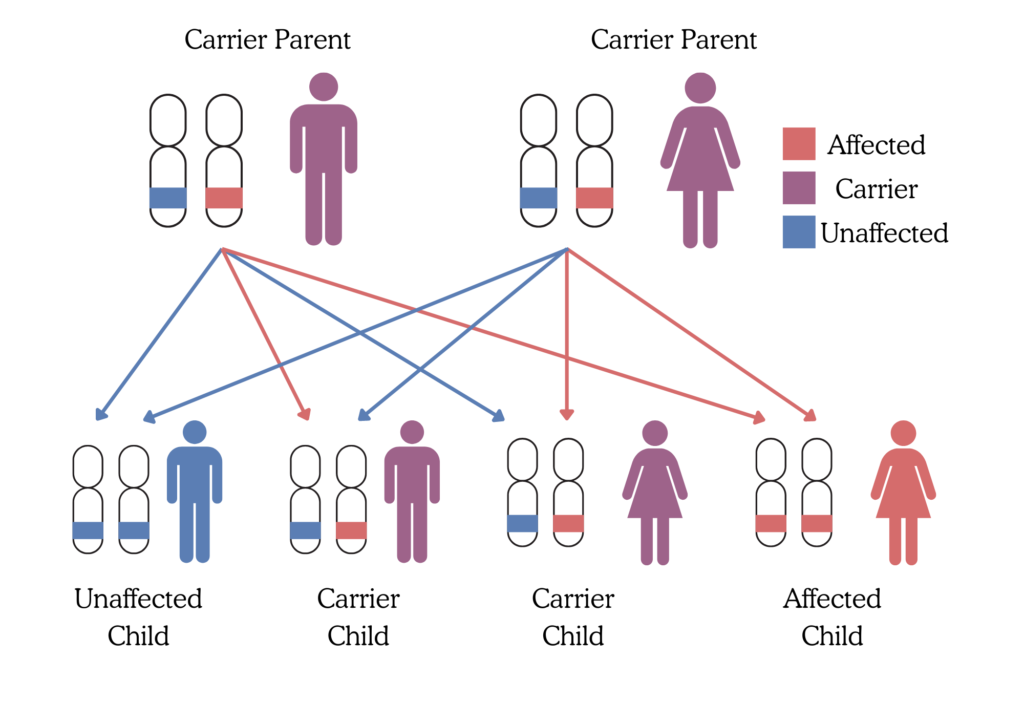
Autosomal Recessive Inheritance Genetic Counseling Mirror Gene

Carrier Screening for Couples: A Guide to Informed Parenthood

Carrier Screening for Couples: A Guide to Informed Parenthood Introduction: Parenthood is a transformative journey, and understanding potential genetic risks is an essential step for couples planning to start a family. Carrier screening, a genetic test designed to identify whether one or both partners carry changes in genes (mutations) for certain inherited conditions, can provide invaluable insights into the likelihood of passing these conditions to their children. This proactive approach helps couples to make informed reproductive choices and plan for a healthy future. What is Carrier Screening? Carrier screening involves analyzing an individual’s DNA to detect mutations associated with specific genetic disorders. These mutations may not affect the carrier’s health but can lead to serious health issues in offspring if inherited from both parents. Carrier screening is particularly beneficial for: Couples planning a pregnancy. Couples with a history of genetic disorders in their families. Those from populations with higher carrier rates for certain conditions. Couples married within the same community or extended family (consanguineous).   How is Carrier Screening Done? Sample Collection: A simple blood draw collects a DNA sample. Laboratory Analysis: The sample is analyzed for mutations associated with a wide range of genetic conditions. Result Interpretation: Results are reviewed by a genetic counselor, who will then explain their implications and help determine the next steps. Who Should Consider Carrier Screening? While carrier screening is an option for all couples, it is strongly recommended for: Couples with a family history of genetic disorders such as cystic fibrosis, Spinal Muscular Atrophy, or thalassemia. Couples from high-risk ethnic backgrounds, like South Asians for conditions such as beta-thalassemia or SMA (carrier rate of 1 in 38 in India). Couples undergoing fertility treatments, as part of pre-implantation genetic testing. Consanguineous couples, due to an increased likelihood of shared genetic mutations. Common Conditions Detected by Carrier Screening: Carrier screening can detect mutations for numerous genetic disorders, including: Cystic Fibrosis: Affects the respiratory and digestive systems. Spinal Muscular Atrophy (SMA): A condition leading to muscle weakness and atrophy. Thalassemia: A blood disorder causing anemia. Tay-Sachs Disease: A condition leading to severe neurological impairment. The Role of Genetic Counseling in Carrier Screening Genetic counseling is a cornerstone of the carrier screening process. It ensures that couples understand the implications of their results and make decisions best suited to their circumstances. Key aspects include: Education: Explaining the genetic inheritance patterns and risks. Support: Addressing emotional concerns and helping couples process the results. Planning: Discussing reproductive options. For more on genetic counseling, see our blog post Understanding the Genetic Counseling Process: A Comprehensive Guide. What Happens if Both Partners Are Carriers? If both partners are found to be carriers of the same genetic condition, there is a 25% chance with each pregnancy that their child can inherit the condition. In such cases, genetic counselors guide couples through options, including: In-vitro fertilization (IVF) with preimplantation genetic testing to select unaffected embryos. Prenatal diagnostic tests, such as chorionic villus sampling (CVS) or amniocentesis, to confirm the baby’s genetic status during pregnancy. Exploring alternative reproductive options like donor gametes or adoption, tailored to the couple’s values and preferences. Benefits of Carrier Screening Informed Decision-Making: Couples can make well-informed reproductive choices. Early Detection and Planning: Understanding genetic risks allows better preparation and management. Peace of Mind: Knowing the risks (or lack thereof) provides emotional reassurance. Improved Health Outcomes: Enables proactive healthcare decisions that may reduce the impact of genetic disorders. Challenges and Ethical Considerations: Carrier screening is not without its challenges. Incomplete results and emotional stress are potential hurdles. Ethical dilemmas, such as deciding on the next steps after a positive result, must be navigated with sensitivity and support from genetic counselors. Moreover, respecting a couple’s cultural and personal values is integral to the process. Rapid advances in screening technology have also raised questions about privacy and the potential for genetic discrimination. Conclusion: Carrier screening is a vital tool for couples planning a family, offering a clearer understanding of genetic risks and making informed decisions. At Mirror Gene, we are dedicated to providing personalized genetic counseling services tailored to your needs. Book a consultation with us today for more insights and guidance on carrier screening. Together, we can pave the way for a healthier tomorrow. Empowering Genetics, Enriching Lives Book Appointment & Take Control Of Your Genetic Health Today Book Consultation

Carrier Screening for Couples: A Guide to Informed Parenthood Read More »

Understanding Wilson Disease, Genetic Perspective kayser-fleisher rings

Understanding Wilson Disease: A Genetic Perspective

Understanding Wilson Disease: A Genetic Perspective Introduction: Wilson Disease is a rare inherited disorder caused by mutations in the ATP7B gene, leading to abnormal copper metabolism and its accumulation in vital organs such as the liver, brain, and eyes. Early identification and management are crucial to prevent complications. Genetic counseling plays a pivotal role in navigating the complexities of this condition, offering guidance on testing, risk assessment, and family planning. What is Wilson Disease? Wilson Disease occurs due to mutations in the ATP7B gene, which encodes a protein essential for copper transport. This change results in excessive copper accumulation, causing tissue damage. As an autosomal recessive condition, individuals inherit one defective copy of the gene from each parent. Inheritance Pattern: Both parents are likely to be carriers for a child to inherit the disorder. Onset: Symptoms often emerge between 5 and 35 years of age, though early detection is possible through family screening.   Symptoms and Red Flags Wilson Disease presents with diverse symptoms that may vary in severity. Key indicators include: Liver Symptoms: Jaundice, fatigue, abdominal swelling, or unexplained liver dysfunction. Neurological Symptoms: Tremors, clumsiness, difficulty speaking or swallowing, and changes in coordination. Behavioural Changes: Depression, mood swings, or cognitive decline. Eye Abnormalities: Kayser-Fleischer rings, a golden-brown ring in the cornea visible during a slit-lamp examination. If these symptoms are observed, genetic counseling is essential to evaluate the need for diagnostic genetic testing.   Diagnosis of Wilson Disease Diagnosing Wilson Disease involves multiple tests to confirm copper accumulation and identify the underlying genetic mutation. Key diagnostic approaches include: Kayser-Fleischer Rings These golden-brown rings, caused by copper deposits in the cornea, are a hallmark of Wilson Disease. They are visible through a slit-lamp examination and are commonly present in individuals with neurological symptoms. Urinary Copper Levels Elevated 24-hour urinary copper excretion (>100 µg/day) is a key biochemical marker for Wilson Disease, indicating impaired copper metabolism. Genetic Testing Detecting mutations in the ATP7B gene confirms the diagnosis and supports family screening. Helps differentiate Wilson Disease from other disorders with similar presentations. Carrier Testing: Particularly beneficial for family members of affected individuals to assess their risk of passing the condition to offspring. Useful in reproductive planning, enabling informed decisions. Pre-Symptomatic Testing: Identifies at-risk family members who may benefit from early monitoring and management.Genetic testing is particularly valuable for individuals with atypical presentations or inconclusive biochemical findings. Leipzig Criteria This diagnostic scoring system integrates clinical features, biochemical markers, and genetic test results. Points are assigned for findings like Kayser-Fleischer rings, low serum ceruloplasmin levels, elevated urinary copper excretion, and the identification of ATP7B mutations. A score above a defined threshold confirms the diagnosis. The Role of Genetic Counseling in Wilson Disease Genetic counseling is indispensable for individuals and families affected by Wilson Disease. It provides: Risk Assessment: Evaluates inheritance patterns and recurrence risks for future generations. Testing Guidance: Explains the purpose, scope, and limitations of genetic tests, including pre-symptomatic and carrier testing. Support for Families: Assists in understanding the genetic basis and long-term implications of the disorder. Provides emotional support and strategies to cope with a diagnosis. Family Communication: Facilitates discussions with relatives to encourage at-risk members to undergo testing and, if necessary, seek early intervention. For a detailed overview of the genetic counseling and testing process, refer to our previous blog (Understanding the Genetic Counseling Process: A Comprehensive Guide)   Why Genetic Counseling is Crucial Wilson Disease has profound genetic and familial implications. Genetic counseling ensures: Timely Screening: For asymptomatic carriers or relatives of affected individuals, enabling early management. Informed Reproductive Decisions: Couples with a family history of Wilson Disease can explore reproductive options. Personalized Care: Tailored recommendations based on individual genetic risks and family history. Conclusion Wilson Disease, though rare, underscores the importance of genetic awareness and proactive care. Genetic counseling provides the essential knowledge and support families need to navigate through diagnosis, testing, and family planning effectively. At Mirror Gene, we are committed to helping families with accurate information and guidance. To learn more book an appointment today. Empowering Genetics, Enriching Lives Book Appointment & Take Control Of Your Genetic Health Today Book Consultation

Understanding Wilson Disease: A Genetic Perspective Read More »

Celebrating Genetic Counselor Awareness Day: Understanding the Role of Genetic Counselors

Celebrating Genetic Counselor Awareness Day:Understanding the Role of Genetic Counselors Introduction Genetic counseling plays a critical role in healthcare by guiding individuals and families through complex genetic information, understanding inherited health risks, and providing them with insights for making informed decisions. On Genetic Counselor Awareness Day, we celebrate these professionals, who blend science and empathy to provide vital support for genetic health.   What is Genetic Counseling? Genetic counseling is a specialized healthcare service that focuses on: Educating individuals about how genetic conditions could affect them or their families. Assisting in the decision-making process regarding genetic testing. Providing emotional and psychosocial support through complex health decisions. Genetic counselors work collaboratively with individuals, families, and other healthcare providers through this service to integrate genetic information into overall healthcare.   The Essential Role of Genetic Counselors Genetic counselors provide several critical services, including: Assessing Genetic Risk: Using detailed family histories and genetic information, counselors identify the likelihood of genetic disorders, helping families understand hereditary risks. Guidance on Genetic Testing: Genetic counselors explain various genetic testing options, discussing potential outcomes and supporting clients in making informed choices. Interpreting Genetic Results: They translate genetic test results into actionable information, helping patients understand what the results mean for their health or their family’s health. Providing Emotional Support: Coping with genetic risk or diagnosis can be challenging; genetic counselors provide compassionate support to help individuals process information. Who Can Benefit from Genetic Counseling? Genetic counseling can benefit a wide range of individuals: Expectant Parents: Couples can assess genetic risks during preconception or pregnancy, exploring options like carrier screening and prenatal genetic testing. Individuals with a Family History of Genetic Conditions: Those with a family history of genetic disorders can gain insights into inherited risks, preventive measures, and testing options. Individuals with Personal Cancer Diagnoses: Cancer patients, particularly those diagnosed at a young age, can explore potential inherited cancer syndromes, impacting treatment and family planning. Families with Children Showing Symptoms of Genetic Disorders: Parents of children with developmental delays or unusual symptoms may seek guidance on potential genetic causes and next steps. Why Genetic Counseling Matters in Today’s Healthcare Landscape With the growing accessibility of genetic testing, genetic counseling has become more relevant than ever. It: Bridges the Gap Between Science and Patients: Genetic counselors make complex genetic information accessible, fostering informed decisionmaking. Supports Preventive Health: Understanding genetic risks allows for proactive health measures, such as tailored screenings or lifestyle modifications. Personalized Health Care: Genetic counseling tailors healthcare based on individual genetic backgrounds, enabling more personalized medical care. Addressing Ethical and Psychological Considerations Genetic information raises various ethical and psychological challenges, including: Privacy Concerns: Genetic information is sensitive, and genetic counselors address privacy questions and advise on information sharing within families. Emotional Impact: Genetic risks or diagnoses can cause anxiety and uncertainty. Genetic counselors provide empathetic support, helping clients understand the impact and help them in decision-making.   Genetic counseling emphasizes a client-centered approach, respecting individual values and personal choices.   Training and Expertise of Genetic Counselors Genetic counselors undergo specialized training, typically completing a master’s degree in genetic counseling. They bring a unique blend of medical genetics knowledge, counseling skills, and ethical training, enabling them to serve as both educators and empathetic guides through the genetic health journey.   How to Access Genetic Counseling Services For those interested in genetic counseling, services are available through healthcare providers, specialized clinics, and genetic counseling services like Mirror Gene. As genetic health awareness grows, genetic counselors are becoming increasingly accessible, providing valuable support for a range of health concerns. You can book an appointment with us today!   Conclusion Genetic Counselor Awareness Day is a time to acknowledge the important work genetic counselors do in helping individuals and families through life-changing information. By providing understanding, empathy, and expertise, they help people make informed choices about their health. If you or a loved one could benefit from genetic counseling, consider reaching out to Mirror Gene, where our team, led by experienced genetic counselors, is dedicated to supporting your genetic health journey with care and compassion. Empowering Genetics, Enriching Lives Book Appointment & Take Control Of Your Genetic Health Today Book Consultation

Celebrating Genetic Counselor Awareness Day: Understanding the Role of Genetic Counselors Read More »

Duchene Muscular Dystrophy Genetic Counseling at mirror gene Hyderabad

Duchenne Muscular Dystrophy: Understanding the Genetic Disorder

Duchenne Muscular Dystrophy: Understanding the Genetic Disorder Introduction Duchenne Muscular Dystrophy (DMD) is one of the most severe forms of muscular dystrophy, primarily affecting males. It is caused by mutations in the DMD gene, which leads to progressive muscle degeneration and weakness. As a rare, genetic condition, early diagnosis and genetic counseling are vital in helping families navigate this complex disorder. In this blog we aim to provide you an in-depth understanding of DMD and the essential role of genetic counseling in supporting affected families.   What is Duchenne Muscular Dystrophy? DMD is a genetic disorder caused by a lack of dystrophin, it is a protein which is essential for muscle function. Without dystrophin, muscles become progressively weaker over time, leading to significant physical disability and reduced life expectancy. The condition generally manifests in early childhood by 5 years of age, with symptoms such as delayed motor milestones (like walking independently and standing up from the floor), difficulty walking, climbing stairs, and frequent falls, in some there can be calf pain. As the disease progresses, affected individuals lose the ability to walk and may experience heart and lung complications.   The progression of DMD varies but typically follows a pattern of muscle weakness starting in the legs and pelvis, followed by the arms. In many cases, children with DMD are wheelchair bound by their early teenage years.   The DMD Gene: Understanding the Longest Human Gene The DMD gene is the largest known gene in humans. It provides instructions for producing dystrophin, a protein that helps maintain the structural integrity of muscle cells. Mutations in this gene disrupt dystrophin production, leading to the muscle degeneration seen in DMD. The “reading frame rule” plays a crucial role in understanding the severity of DMD. When mutations (such as deletions or duplications) disrupt the gene’s reading frame, dystrophin cannot be produced correctly, resulting in DMD. In contrast, mutations that do not disturb the reading frame may lead to a milder form of the disorder, known as Becker Muscular Dystrophy (BMD).    Why Genetic Counseling is Crucial for DMD   Genetic counseling is essential for families affected by DMD, helping them understand the inheritance pattern, genetic risks, and available testing options. Since DMD follows an X-linked recessive inheritance pattern (you can learn more about inheritance patterns in our previous Blog post by clicking here), mothers can be carriers of the condition. Genetic counseling is critical for assessing carrier risk, providing guidance on family planning, and offering emotional support.   In addition to addressing immediate concerns about a child’s health, genetic counseling can help families understand reproductive options for future pregnancies, including prenatal testing or in vitro fertilization with preimplantation genetic diagnosis (PGD) to avoid passing on DMD.   Inheritance Patterns and Risk Assessment DMD is inherited in an X-linked recessive manner, meaning the gene responsible for DMD is located on the X chromosome. Since males have only one X chromosome, inheriting the defective gene results in the condition. Females, who have two X chromosomes, and are usually carriers, with a 50% chance of passing the mutated gene to their children. Carrier females may not show symptoms, though some can exhibit mild muscle weakness or cardiomyopathy later in life. Therefore, genetic counseling is advised for them too. Genetic counseling involves detailed family history analysis and pedigree construction to assess inheritance risks, which is especially important when determining carrier status in female relatives (you can learn more about Process of genetic counseling in our previous Blog post by clicking here).   Diagnostic and Carrier Testing Several genetic tests are available for diagnosing DMD and identifying carriers. These include: Genetic Sequencing: This method detects small mutations, such as point mutations, that are responsible for DMD. Deletion/Duplication Analysis: This test identifies larger mutations, such as deletions or duplications, which are more common and account for 70% to 80% of the mutations in DMD. For female relatives, carrier testing is crucial to determine whether they carry the defective DMD gene. This information is essential for family planning, as carriers have a 50% chance of passing the gene on to their children.   Emotional and Psychological Support for Families Receiving a diagnosis of DMD can be emotionally overwhelming for families. Genetic counselors not only provide medical guidance but also emotional support, helping families cope with the diagnosis and navigate the challenges ahead. From discussing reproductive options to connecting families with support groups, genetic counseling offers comprehensive care that addresses both the medical and emotional needs of affected individuals and their families.   Options for Family Planning For families with a history of DMD, reproductive options include: Prenatal Testing: Techniques like chorionic villus sampling (CVS) or amniocentesis can detect DMD mutations early in pregnancy. Preimplantation Genetic Diagnosis (PGD): This option involves testing embryos for DMD mutations during in vitro fertilization (IVF), allowing parents to select unaffected embryos for implantation. These options, along with genetic counseling, provide families with the information they need to make informed reproductive choices.   Cross-Referencing Other Genetic Conditions While DMD is a specific type of muscular dystrophy, families may encounter other related genetic neuromuscular conditions. It is important to have a broad understanding of these disorders, as genetic counseling for DMD often involves discussions about other conditions within the muscular dystrophy spectrum.   Conclusion Duchenne Muscular Dystrophy is a complex condition, but genetic counseling provides families with the tools to understand the disorder, assess genetic risks, and explore reproductive options. By seeking early counseling and testing, families can take a proactive approach to managing DMD and make informed decisions about their future. At Mirror Gene, we offer comprehensive genetic counseling services tailored to the unique needs of each family. To learn more about how genetic counseling can support your journey, book an appointment with us today. Empowering Genetics, Enriching Lives Book Appointment & Take Control Of Your Genetic Health Today Book Consultation

Duchenne Muscular Dystrophy: Understanding the Genetic Disorder Read More »

Cancer Genetic Counseling: Assessing and Managing Your Risk

Cancer Genetic Counseling: Assessing and Managing Your Risk Introduction: Cancer genetic counseling is a specialized service that plays a crucial role in assessing and managing the risk of hereditary cancers. For individuals with a personal or family history of cancer, genetic counseling provides vital information about genetic risks, testing options, and personalized risk management strategies. This proactive approach provides individuals to make informed decisions about their health, potentially reducing the risk of developing cancer or detecting it early when it is most treatable.   Understanding Hereditary Cancer: Hereditary cancer occurs when a mutation in a specific gene is passed down from one generation to the next, significantly increasing the likelihood of developing certain types of cancer. While most cancers are sporadic, meaning they occur due to random mutations, hereditary cancers are linked to inherited genetic mutations that are present from birth and increases the occurrence of cancer compared to general population. Understanding the difference between hereditary and sporadic cancers is critical, as hereditary cancers often require different management and preventive strategies.   Genetic Mutations and Their Impact: Genetic mutations associated with hereditary cancer can increase the risk of developing cancer at a younger age and may lead to multiple cancer types within a family. For example, mutations in the BRCA1 and BRCA2 genes not only increase the risk of breast and ovarian cancers but may also elevate the risk of prostate and pancreatic cancers. Identifying these mutations through genetic testing allows for targeted surveillance and preventive measures.   Common Cancers with Genetic Links: Certain cancers are more commonly associated with hereditary factors, including: Breast Cancer: BRCA1 and BRCA2 mutations significantly increase the risk of breast cancer, with some individuals facing up to an 80% lifetime risk. Genetic testing for these mutations is particularly recommended for those with a strong family history of breast or ovarian cancer. Ovarian Cancer: Often linked to the same BRCA mutations as breast cancer, ovarian cancer has a strong hereditary component. Women with BRCA mutations have a significantly increased risk of developing ovarian cancer. Colorectal Cancer: Lynch syndrome, also known as hereditary nonpolyposis colorectal cancer (HNPCC), is the most common cause of hereditary colorectal cancer. It also increases the risk of endometrial, ovarian, stomach, and other cancers. Prostate Cancer: Family history and certain genetic mutations, including BRCA2, can increase the risk of prostate cancer. Men with a family history of breast or ovarian cancer should consider genetic counseling and testing. Understanding which cancers have a genetic component can guide individuals and healthcare providers in deciding which genetic tests may be most relevant.   The Role of Genetic Counseling in Cancer Risk Assessment: Genetic counseling is essential in assessing cancer risk, particularly for those with a family history of cancer or other risk factors. During an initial consultation, genetic counselors gather detailed information about the patient’s personal and family medical histories. This information is used to assess the likelihood of hereditary cancer and to determine the need for genetic testing. Genetic counselors provide personalized risk assessments and discuss the potential benefits, limitations, and implications of genetic testing. For more insights into the genetic counseling process, refer to our previous blog post Understanding the Genetic Counseling Process: A Comprehensive Guide.   Genetic Testing in Cancer Counseling: Genetic testing is a powerful tool in cancer counseling, offering insights into whether an individual carries mutations that increase their risk of hereditary cancers. Some of the most commonly recommended genetic tests include: BRCA1 and BRCA2 Testing: These tests are highly relevant for individuals with a family history of breast or ovarian cancer. Identifying a BRCA mutation can inform decisions about increased surveillance, prophylactic surgeries, or other preventive measures. Lynch Syndrome Testing: Individuals with a family history of colorectal cancer or related cancers may benefit from testing for Lynch syndrome. This test identifies mutations in genes such as MLH1, MSH2, MSH6, PMS2, and EPCAM, which are associated with an increased risk of colorectal and other cancers. Multi-Gene Panels: Multi-gene panel testing examines multiple genes simultaneously, providing a comprehensive assessment of cancer risk. This approach is particularly useful when there is a family history of multiple types of cancer, as it can identify mutations in a broader range of genes. Genetic testing is not a one-size-fits-all approach. The choice of test depends on individual and family risk factors, and genetic counselors play a crucial role in guiding patients through the decision-making process.   Interpreting Genetic Test Results: Interpreting genetic test results is a nuanced process that requires expertise. Genetic test results can be: Positive: A mutation is identified, indicating an increased risk of developing certain cancers. Negative: No mutation is found, suggesting that the individual’s cancer risk is similar to that of the general population. Variant of Uncertain Significance (VUS): A genetic change is identified, but its impact on cancer risk is unclear. Further research or family studies may be needed to clarify the significance of the variant. Each of these outcomes has different implications for cancer risk and management. Genetic counselors help patients understand what their results mean and what steps they should take next.   Risk Management Strategies: For individuals with a positive genetic test result or a strong family history of cancer, genetic counselors work closely with healthcare providers to develop personalized risk management plans. These plans may include: Enhanced Surveillance: Increased frequency of screening tests, such as mammograms, MRIs, colonoscopies, or PSA tests, to detect cancer at an early, more treatable stage. Prophylactic Surgery: Preventive surgeries, such as mastectomy or oophorectomy, may be recommended to significantly reduce the risk of developing cancer. Lifestyle Modifications: Genetic counselors can provide guidance on lifestyle changes that can lower cancer risk, such as maintaining a healthy weight, exercising regularly, avoiding tobacco, and limiting alcohol consumption. While genetic counselors do not prescribe medications or chemotherapy, they can refer patients to oncologists or other specialists for these treatments if needed. These strategies are tailored to the individual’s genetic risk profile and personal preferences, ensuring a comprehensive cancer prevention and early detection approach.   Family

Cancer Genetic Counseling: Assessing and Managing Your Risk Read More »

Pediatric Genetic Counseling Navigating Your Child’s Genetic Health Mirror Gene Genetic Counseling Service Hyderabad

Pediatric Genetic Counseling: Navigating Your Child’s Genetic Health

Pediatric Genetic Counseling: Navigating Your Child’s Genetic Health Introduction: The Role of Pediatric Genetic Counseling Pediatric genetic counseling plays a crucial role in understanding and managing a child’s genetic health, especially when symptoms suggest a potential genetic condition. It involves evaluating genetic risks, providing information about possible genetic disorders, and guiding families through complex medical decisions. By identifying genetic risks early, counseling can help in planning appropriate interventions, offering a comprehensive approach to a child’s health and well-being.   Common Reasons for Pediatric Genetic Counseling Parents may seek pediatric genetic counseling if a child shows symptoms or signs that suggest a genetic disorder:   Birth Defects Birth defects are structural abnormalities present at birth that can affect any part of the body. These may include heart defects, cleft lip and palate, spina bifida, or limb abnormalities. Some birth defects are caused by genetic mutations, while others may result from environmental factors or a combination of both. Pediatric genetic counseling helps identify whether a genetic component is involved and can guide parents in understanding the risk of recurrence in future pregnancies. Additionally, it offers insights into the management and treatment options available for the child.   Developmental Delays Developmental delays occur when a child does not reach expected milestones in areas such as motor skills, language, social interaction, or cognitive abilities. These delays can be indicative of underlying genetic conditions such as Fragile X syndrome, Rett syndrome, or other chromosomal abnormalities. Pediatric genetic counseling can help determine if there is a genetic cause for the delay and recommend appropriate genetic testing. Early identification and intervention are crucial for improving outcomes, and counseling can guide families on available therapies and support services.   Family History of Genetic Disorders A family history of genetic disorders increases the likelihood that a child may inherit or develop a similar condition. Conditions such as cystic fibrosis, Huntington’s disease, or Duchenne muscular dystrophy can be passed down through generations. If a child begins to show symptoms of a known familial genetic disorder, genetic counseling is essential for evaluating the risk, discussing testing options, and providing guidance on management strategies. This process also includes discussing the implications for other family members and potential future pregnancies.   Abnormal Newborn Screening Results Newborn screening is a routine procedure that tests for a variety of genetic and metabolic disorders shortly after birth. Abnormal results may indicate conditions such as phenylketonuria (PKU), sickle cell disease, or congenital hypothyroidism. While these tests are crucial for early detection, they are not diagnostic, and abnormal results require further investigation. Pediatric genetic counseling helps interpret these results, explains the need for confirmatory testing, and guides parents through the next steps in diagnosis and treatment. Early intervention following abnormal newborn screening can prevent severe health issues and improve the child’s quality of life.     The Genetic Counseling Process for Children The pediatric genetic counseling process typically involves: – Initial Consultation: Collecting detailed family and medical histories to assess potential genetic risks. For more on the genetic counseling process, see our previous blog post Understanding the Genetic Counseling Process: A Comprehensive Guide – Discussion of Testing Options: Presenting available genetic tests and explaining their relevance based on the child’s specific situation. – Result Interpretation: Helping parents understand the implications of test results for their child’s health and development.     Genetic Testing in Pediatrics: What Parents Should Know Genetic testing in pediatrics can be a powerful tool for diagnosing and managing genetic conditions, but it is typically only pursued when symptoms are present. Key tests include: – Chromosomal Microarray (CMA): Used to detect chromosomal abnormalities, such as duplications or deletions of genetic material, which may cause developmental disorders. – Whole-Exome Sequencing (WES): A more comprehensive test that examines the protein-coding regions of genes, useful for identifying rare genetic mutations. – Targeted Genetic Tests: These are used when a specific condition or mutation is suspected based on the child’s symptoms or family history. – Carrier Testing: In cases where a child may be a carrier of a genetic condition, carrier testing can determine the likelihood of passing the condition to future generations.     Understanding the Results: What They Mean for Your Child Interpreting genetic test results can be complex, but genetic counseling helps demystify this process: – Positive Results: If a genetic condition is identified, counseling provides guidance on treatment options, management strategies, and the potential impact on the child’s future health. – Negative or Inconclusive Results: These results may require further testing or monitoring, and counseling helps parents understand the implications and next steps. – Variants of Uncertain Significance (VUS): Sometimes, a test may identify genetic changes that are not yet well understood. Counseling offers insights into the significance of these findings and how they might affect the child.     Ethical Considerations in Pediatric Genetic Testing Pediatric genetic testing raises several ethical concerns: – Consent: Since children cannot provide informed consent, parents must make decisions on their behalf. Genetic counselors help parents navigate these decisions, ensuring they are made in the child’s best interest. – Future Implications: The results of genetic tests can have long-term implications for a child’s future, including potential discrimination or psychological impact. Counselors discuss these implications with families to ensure they are fully informed. – Testing for Adult-Onset Conditions: Ethical dilemmas arise when considering testing children for conditions that may not manifest until adulthood. Genetic counselors guide parents on whether such testing is appropriate.     Emotional and Psychological Support for Families Genetic counseling is not just about providing medical information—it also involves offering emotional and psychological support: – Coping with a Diagnosis: Learning that a child has a genetic condition can be overwhelming. Counselors provide a supportive environment for parents to express their concerns and fears. – Decision-Making Support: The counseling process helps parents make difficult decisions, such as whether to pursue further testing or consider treatment options. – Long-Term Support: Ongoing counseling is often necessary as the child grows, helping families adapt to new challenges and developments.  

Pediatric Genetic Counseling: Navigating Your Child’s Genetic Health Read More »

Prenatal Genetic Counseling at mirror gene

Understanding Prenatal Genetic Testing: Options and Benefits

Understanding Prenatal Genetic Testing: Options and Benefits Introduction: Prenatal genetic counseling is a vital service for expectant parents, offering guidance and support in understanding the genetic health of their developing baby. It encompasses evaluating genetic risks, explaining testing options, and providing emotional support to ensure a healthy pregnancy. Routine prenatal screenings, such as double, triple, and quadruple marker tests, along with ultrasounds (USG), are initial steps that can indicate the need for further genetic testing. By identifying potential genetic risks early, parents can make informed decisions about additional testing and management. The Role of Genetic Counseling: Genetic counseling helps parents navigate the complexities of prenatal genetic testing. Key aspects include: Initial Consultation: Gathering detailed family and medical histories to assess genetic risks. For more details, refer to our blog post What to Expect in Your First Genetic Counseling Session. Explaining Testing Options: Providing clear explanations of available prenatal tests, including screening and diagnostic options. Interpreting Test Results: Interpreting results and explaining their implications. See Understanding the Genetic Counseling Process: A Comprehensive Guide for more. Emotional Support and Decision-Making: Offering emotional support and guiding parents in making informed decisions about their pregnancy. Types of Prenatal Genetic Testing: Screening Tests: Non-Invasive Prenatal Testing (NIPT): A screening method that analyzes fetal DNA in the mother’s blood to assess the risk of specific chromosomal conditions. It is safe, highly accurate, and can be performed as early as the 11th week of pregnancy. NIPT is particularly recommended for high-risk pregnancies, but at the end of the day, it is a screening test and has to be confirmed by a diagnostic test. Diagnostic Tests: Chorionic Villus Sampling (CVS): Performed between the 12th and 14th weeks of pregnancy, CVS involves taking a sample of placental tissue to detect chromosomal abnormalities and genetic disorders. Amniocentesis: Conducted between the 16th and 20th weeks, this test involves extracting a small amount of amniotic fluid to identify genetic conditions and neural tube defects. Benefits of Genetic Counseling in Prenatal Testing: Informed Decisions: Parents can make well-informed decisions about their pregnancy, including the choice of undergoing specific tests and understanding the results. Personalized Care: Genetic counseling ensures that each family’s unique genetic background and needs are considered, leading to tailored care plans. Risk Assessment: Comprehensive evaluation of genetic risks helps in planning for a healthy pregnancy and preparing for potential challenges. Emotional Support: Genetic counselors provide ongoing emotional support, helping parents navigate the emotional aspects of prenatal testing and potential outcomes. Preventive Health: Early identification of genetic risks allows for preventive measures to be taken, potentially reducing the risk of genetic disorders in offspring. Conclusion: Prenatal genetic counseling is essential for expectant parents, offering insights into genetic risks, personalized reproductive plans, and emotional support. It ensures a well-informed and prepared approach to pregnancy, helping parents make the best decisions for their baby’s health. For more on how genetic counseling can support your pregnancy journey, book an appointment with us today. Empowering Genetics, Enriching Lives Book Appointment & Take Control Of Your Genetic Health Today Book Consultation

Understanding Prenatal Genetic Testing: Options and Benefits Read More »

Preconception Genetic Counseling at Mirror Gene Hyderabad

Preconception Genetic Counseling: Planning for a Healthy Future

Preconception Genetic Counseling: Planning for a Healthy Future Introduction: Preconception genetic counseling is a vital step for couples planning to conceive. It helps identify potential genetic risks and guides to ensure a healthy pregnancy and future for their children. This proactive approach allows couples to make informed reproductive choices, addressing genetic concerns before conception. It is essential for those with a family history of genetic disorders.   The Counseling Process: Initial Consultation: Your genetic counselor collects a detailed family health history, focusing on any known genetic conditions or recurring health issues. You can read more about this in our previous blog post What you can expect during your first genetic counseling session. Genetic Testing: Your counselor may recommend various tests based on personal risk. For a deeper understanding of genetic inheritance and how these mutations can impact future generations, refer to our post Understanding Genetic Inheritance. Interpreting Results: Your genetic counselor will provide a detailed explanation of the test results, helping you understand genetic risks. Creating a Plan: Developing a customized reproductive plan along with a gynecologist to consider the couple’s genetic background and risk factors. For insights into how the genetic counseling process works and the importance of a tailored approach, check out our blog post Understanding the Genetic Counseling Process: A Comprehensive Guide. Importance of Preconception Counseling: Understanding genetic risks before conception is crucial for making informed reproductive choices. Preconception genetic counseling helps identify genetic conditions that could affect a future pregnancy, enabling prospective parents to plan accordingly.   Genetic Carrier Screening: Carrier screening is a key component of preconception genetic counseling. It helps identify carriers of recessive genetic conditions that could be passed on to their children. Common conditions in the Indian population include Beta-Thalassemia, spinal muscular atrophy (SMA), cystic fibrosis, and sickle cell anemia. Carrier screening is particularly important as marriage within similar communities is more prevalent in India. Identifying carriers can significantly reduce the incidence of these genetic disorders in the population.   Recessive Genetic Conditions: Understanding recessive genetic conditions is essential in preconception counseling. A child can inherit a recessive condition when both parents are carriers of a mutated gene. If both parents are carriers, there is a 25% chance that the child will be affected, a 50% chance the child will be a carrier, and a 25% chance the child will not be affected or a carrier. You can read more about this in our previous blog post Understanding Genetic Inheritance.   Impact on Family Planning: Preconception counseling provides information for family planning. The couple can learn about their genetic risks and explore options such as in vitro fertilization (IVF) with preimplantation genetic testing (PGT) to avoid passing on genetic conditions in required scenarios. This knowledge allows the couple to make informed decisions about starting a family. Additionally, being informed about genetic risks can alleviate anxiety and provide peace of mind.   Benefits of Preconception Counseling: Informed Decisions:Understanding genetic influences on fertility and pregnancy enables couples to make well-informed reproductive choices. Personalized Care:Tailored treatment and care plans are developed based on the couple’s specific genetic background and needs. Risk Assessment:Comprehensive evaluation of genetic risks helps in planning for a healthy pregnancy. Preventive Health: Early identification of genetic risks allows for preventive measures to be taken, potentially reducing the risk of genetic disorders in offspring. Emotional Support:Genetic counseling provides emotional support, helping couples cope with the anxiety and stress associated with genetic risks. Conclusion: Preconception genetic counseling is a crucial step for couples planning a healthy future for their children. It offers insights into genetic risks, personalized reproductive plans, and emotional support, ensuring a well-informed and prepared approach to conception and pregnancy. To explore how genetic counseling can support your journey towards parenthood, book an appointment with us today. Empowering Genetics, Enriching Lives Book Appointment & Take Control Of Your Genetic Health Today Book Consultation

Preconception Genetic Counseling: Planning for a Healthy Future Read More »